Introduction
introduction:-aging-gracefully-not-artificiallyWhen patients visit Delight Dermatology Clinic in Gangnam, one of the most common concerns they bring is persistent acne — the kind that resists months of skincare routines, dietary adjustments, and trending products. Many have tried everything from at-home blue light devices to viral “acne patches,” yet the inflammation, redness, and dark marks persist.
If that sounds familiar, you’re not alone. Acne remains one of the most emotionally taxing skin conditions in Korea — especially in Seoul, where “glass skin” has become a beauty benchmark. Yet, behind every breakout lies a complex interplay of oil production, inflammation, bacterial imbalance, and hormonal triggers. Managing acne effectively means going beyond the surface.
That’s where laser and light-based dermatologic treatments have transformed the landscape of acne care — offering scientifically proven, minimally invasive solutions that target acne at its root while improving skin tone, texture, and confidence.
Understanding Acne: Beyond the Breakout
understanding-acne:-beyond-the-breakoutAcne is not just a teenage problem; it affects adults well into their 30s, 40s, and beyond. It develops when sebum (oil), dead skin cells, and bacteria clog pores, leading to inflammation and the visible lesions we call pimples.
There are several forms of acne:
Inflammatory acne: red, swollen, often painful lesions like papules, pustules, or cysts.
Comedonal acne: clogged pores forming blackheads or whiteheads without significant redness.
Hormonal acne: cyclical breakouts along the jawline, chin, or lower cheeks, often seen in women in their 30s and 40s.
Post-acne marks and scarring: the lingering pigmentation and textural irregularities that remain even after the acne subsides.
What many patients in Gangnam overlook is that acne is a chronic inflammatory disorder, not simply a result of poor hygiene or “dirty skin.” Factors such as stress, diet, sleep quality, cosmetics, and hormonal shifts all influence flare-ups. That’s why even meticulous skincare can’t fully prevent breakouts without addressing the deeper causes.
Modern dermatology now integrates laser and light therapies as part of a comprehensive acne management plan — combining medical precision with cosmetic rejuvenation to improve both active acne and its aftereffects.
Why Laser and Light Therapies Work for Acne
why-laser-and-light-therapies-work-for-acne
To be honest, when patients first hear about laser treatments for acne, they often imagine harsh procedures that cause peeling or downtime. But today’s devices are far more advanced — designed to control inflammation, destroy acne bacteria, regulate oil glands, and promote healthy skin regeneration without aggressive damage.
Laser and light technologies offer a distinct advantage: they treat acne at multiple levels of the skin simultaneously. Some target bacteria, others calm inflammation or remodel the skin’s internal structure to prevent future breakouts. When properly combined, they achieve results that creams or medications alone cannot.
Let’s break down the main categories and their clinical benefits.
1. Blue Light Therapy (LED / Phototherapy)
1.-blue-light-therapy-(led-phototherapy)How it works: Blue light (around 415 nm) penetrates the superficial layers of the skin, where Cutibacterium acnes bacteria reside. The light activates molecules inside the bacteria, causing them to self-destruct.
Benefits: Reduces bacterial count, minimizes inflammation, and regulates oil production.
Best for: Mild to moderate inflammatory acne, sensitive skin, or patients seeking non-drug-based therapy.
At Delight Dermatology, blue light therapy is often combined with red light (633 nm), which soothes irritation, accelerates healing, and improves skin barrier recovery. The sessions are gentle, pain-free, and ideal even for teens, pregnant women, or patients with medication sensitivities.
A series of LED treatments — typically once or twice weekly for 4–6 weeks — can noticeably reduce breakouts and help the skin maintain clarity over time.
2. Laser Toning (Nd:YAG Laser 1064 nm)
2.-laser-toning-(nd:yag-laser-1064-nm)How it works: The long-pulsed Nd:YAG laser penetrates deep into the dermis, targeting sebaceous glands to reduce oil activity while simultaneously killing bacteria.
Benefits: Reduces sebum output, calms active acne, and brightens post-inflammatory pigmentation (PIH).
Ideal for: Korean patients prone to brown or reddish spots after acne, or those seeking smoother, even-toned skin.
Because Asian skin is more reactive to light and prone to pigmentation, Nd:YAG laser toning is particularly well-suited — it offers controlled energy delivery without damaging the epidermis. Patients describe it as a “maintenance laser,” one that quietly keeps breakouts at bay while improving the skin’s overall radiance.
3. Dual-Action Lasers and RF Microneedling (Genesis, Excel V, Potenza RF)
3.-dual-action-lasers-and-rf-microneedling-(genesis-excel-v-potenza-rf)Advancements in aesthetic dermatology have made it possible to combine multiple effects — vascular targeting, collagen remodeling, and sebaceous control — within a single session.
Laser Genesis and Excel V gently heat the upper dermis to shrink overactive oil glands and reduce persistent redness. Meanwhile, Potenza RF Microneedling, one of the clinic’s signature acne solutions, reaches even deeper.
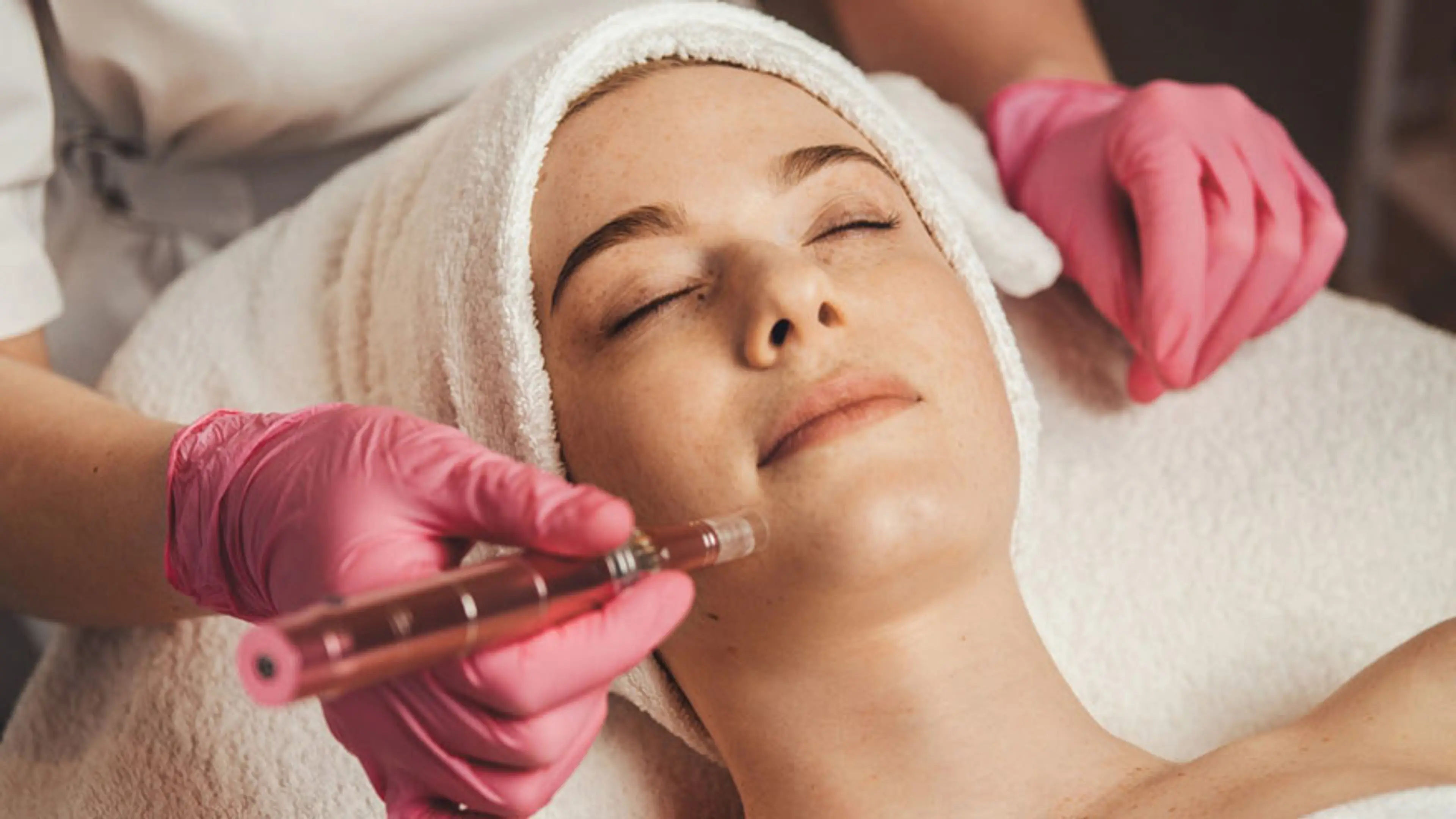
How it works: Microneedles deliver controlled radiofrequency energy into the dermis, stimulating collagen remodeling and shrinking sebaceous glands.
Benefits: Improves acne scars, smooths uneven texture, and reduces the frequency of cystic breakouts.
Downtime: Minimal — mild redness that subsides within a day or two.
As Dr. Yun Sang Youl often explains, “Potenza doesn’t just suppress acne activity; it rebuilds the skin’s foundation — like restoring the scaffolding beneath a weakened structure. That’s why the results look and feel more natural.”
4. Photodynamic Therapy (PDT)
4.-photodynamic-therapy-(pdt)For more severe or treatment-resistant acne, PDT remains one of the most scientifically validated solutions.
How it works: A photosensitizing agent, often aminolevulinic acid (ALA), is applied to the skin and absorbed by oil glands. When exposed to a specific light source, it generates oxygen molecules that selectively destroy these overactive glands and acne-causing bacteria.
Results: Long-term reduction in oil production, fewer cystic lesions, and overall smoother skin.
Ideal candidates: Adults with severe, relapsing acne unresponsive to topical or oral therapy.
Because PDT works at the cellular level, it requires precise control — the right incubation time, wavelength, and fluence. At Delight Dermatology, each protocol is adjusted to match the patient’s skin type and sensitivity, ensuring safety while maximizing results.
The Synergy of Combination Therapy
the-synergy-of-combination-therapy
No single laser or light device is a universal solution. Acne evolves over time — from inflammation to pigmentation and eventually to scarring — and so should the treatment strategy.
At Delight Dermatology Clinic, acne management follows a customized, stepwise approach designed for each patient’s skin condition, lifestyle, and goals. A typical program might include:
Medical-grade cleansing and extraction to remove comedones safely.
LED therapy between laser sessions to calm inflammation and promote healing.
Customized laser sessions, often combining Nd:YAG, Genesis, and Potenza for both active acne and scars.
Topical and oral prescriptions (such as retinoids, antibiotics, or hormonal regulators) to control internal triggers.
This layered approach ensures that each factor contributing to acne — bacteria, oil production, pigmentation, and texture — is addressed simultaneously.
Think of it as a multi-dimensional strategy: calming the storm, repairing the skin barrier, and preventing new flare-ups before they start.
What Results Can You Expect?
what-results-can-you-expectMost patients begin to notice clearer, calmer skin within 2–4 sessions, depending on severity. The skin feels less oily, inflamed areas subside, and new breakouts become smaller and less frequent. Over subsequent months, pigmentation fades and scars soften, revealing a smoother complexion.
Typical outcomes include:
Noticeable reduction in acne lesions
Improved balance in oil production
Lightened post-acne pigmentation
Refined pores and smoother texture
Fewer relapses with maintenance
Consistency is key. Just as acne develops gradually, skin healing also requires time and commitment. Many patients continue maintenance sessions every 4–6 weeks to sustain results and maintain long-term skin stability.
Safety and Expertise Matter
safety-and-expertise-matterLaser and light treatments may appear simple from the outside, but true efficacy depends on precise wavelength selection, calibrated fluence, and proper skin assessment. Over-treatment or misapplied energy can cause irritation or pigmentation rebound — particularly in Asian skin tones.
That’s why these procedures must always be performed by a board-certified dermatologist who understands both medical and aesthetic skin science.
At
Delight Dermatology Clinic, all laser programs are supervised by
Dr. Yun Sang Youl — a Mayo Clinic-trained dermatologist and former director at Banobagi Dermatology — and
Dr. Shin Hui Young, a specialist in skin rejuvenation and acne scar therapy. Their expertise ensures that every patient receives a scientifically sound, skin-type-specific plan supported by the latest technology.
Real-World Insight: What Patients Often Miss
real-world-insight:-what-patients-often-missOver the years, our dermatologists have noticed several recurring patterns among patients struggling with acne:
Overuse of home lasers or exfoliants: DIY devices and harsh acids can disrupt the skin barrier, worsening inflammation and pigmentation.
Stopping treatment too early: Many patients discontinue therapy after a few good weeks, leading to relapse. Acne requires ongoing maintenance — just like fitness or dental care.
Ignoring pigmentation and scars: Even after acne clears, lingering discoloration or texture issues can affect confidence. Addressing these early prevents chronic marks and uneven tone.
As Dr. Shin Hui Young emphasizes, “True acne care doesn’t end when the pimples disappear — it continues until the skin’s balance and resilience are restored.”
The Delight Dermatology Approach
the-delight-dermatology-approachAt our Gangnam-based clinic, acne management is more than a treatment — it’s a partnership. We combine:
Global dermatologic training and evidence-based care
State-of-the-art devices such as Potenza RF, Excel V, and Genesis
Tailored protocols for Korean and Asian skin types
Gentle, artistry-driven technique that enhances natural skin health
Our goal is not just to clear acne but to help each patient achieve calm, balanced, and luminous skin that reflects lasting health — not temporary improvement.
If You’re Considering Acne Laser Treatments
if-you're-considering-acne-laser-treatmentsIf you’ve been struggling with recurring breakouts, pigmentation, or uneven texture despite diligent skincare, it may be time to consult a dermatologist-led clinic.
At
Delight Dermatology Clinic in Seocho-gu, Gangnam, we design personalized acne programs that blend science, technology, and refined aesthetic care. Our approach empowers patients to take control of their skin health — safely, effectively, and beautifully.