
Introduction

introduction:-subtle-enhancement-not-exaggeration
Delight Dermatology Clinic — Seocho-gu, Gangnam, Seoul
If there’s one conversation we hear almost daily at Delight Dermatology Clinic, it’s this:
“When should I start anti-aging treatments… and what actually works?”

Some patients come to us in their early 30s, worried about their first faint smile lines. Others arrive in their late 40s, suddenly noticing that the skin they once took for granted doesn’t bounce back the way it used to. Many have tried over-the-counter retinols, home-use lasers, or trending beauty tools — only to find that the improvements are unpredictable and short-lived.

What we’ve learned, after caring for a wide spectrum of patients in Gangnam, is this:
Aging doesn’t have one “fix.” It has phases — and each phase responds best to a tailored strategy.

This article breaks down what’s happening inside your skin in each decade, why certain treatments make sense at specific stages, and how a thoughtful, long-term plan can help you maintain confidence and natural vitality, year after year.


Why Skin Ages: A Simple, Science-Based View

why-skin-ages:-a-simple-science-based-view

To understand anti-aging, it helps to picture your skin as a beautifully engineered structure.

Think of collagen and elastin as the scaffolding beneath the surface — the beams and springs that keep your skin firm, lifted, and elastic. Over time, that scaffolding slowly thins. UV exposure, stress, hormonal shifts, and even sleep patterns speed up that process.
In your 20s, your skin builds collagen faster than it loses it.
In your 30s, that balance tips.
In your 40s and beyond, the decline becomes more noticeable — and often, more frustrating.

Pigmentation also deepens with time. Sunspots, melasma triggered by hormonal changes, and “shadowy” areas around the eyes or cheeks begin to surface. At our clinic, many patients tell us pigmentation ages them more than wrinkles — and honestly, that’s often true in Korean skin types.

The good news?
Modern dermatology can now rebuild, restore, and refine these deeper layers with precision — especially when treatments are layered strategically.

Anti-Aging for the 30s: Prevention with Purpose

anti-aging-for-the-30s:-prevention-with-purpose

For many people, the early 30s are when you first notice subtle signs:

  • Fine lines around the eyes

  • Early smile lines

  • Slight dullness or uneven tone

  • Pigmentation that lingers longer after a sunny weekend

What’s happening internally is simple: your collagen production begins to slow about 1% per year. This is the perfect window for preventive dermatology — not aggressive correction.

What Works Best in the 30s

what-works-best-in-the-30s

1. Collagen-Stimulating Microneedling (Potenza RF)

1.-collagen-stimulating-microneedling-(potenza-rf)
At Delight Dermatology, our 30-something patients love Potenza because it subtly strengthens the skin’s scaffolding without making them look “done.”
To be honest, many people overlook how much early collagen support affects the next decade of aging. A few sessions per year can noticeably delay visible sagging.

2. Gentle Lifting with Ulthera

2.-gentle-lifting-with-ulthera

Ulthera in the 30s is not about dramatic lifting — it’s about strengthening the SMAS layer before it begins to weaken. Think of it as reinforcing the beams before they bend.

3. Pigmentation Management

3.-pigmentation-management

Most early pigmentation concerns respond beautifully to:

  • Low-fluence laser toning

  • Pico laser maintenance

  • Customized brightening skincare

We often see women in Gangnam who try to treat pigmentation with home-use laser devices — and many accidentally worsen inflammation. A dermatologist-guided plan keeps things safe and even-toned.

4. Preventive Injectables

4.-preventive-injectables

Small amounts of neuromodulators (e.g., for frown lines or crow’s feet) prevent deeper wrinkles later. Natural, subtle, and highly recommended for many Korean patients who prefer a soft, expressive look.


Anti-Aging for the 40s: Rebuilding and Refining

anti-aging-for-the-40s:-rebuilding-and-refining
Stubborn pigmentation
In your 40s, aging tends to accelerate. Many patients tell us, “Everything seemed fine… until suddenly it wasn’t.”
We hear this so often that it has become a quiet rule at the clinic:
The 40s are the decade of structural change.

Common Concerns in This Stage

common-concerns-in-this-stage
  • Noticeable loss of elasticity

  • Drooping around the jawline

  • Deeper laugh lines

  • Hollowing under the eyes

  • Stubborn pigmentation or melasma

  • Rougher skin texture

Here, a preventive approach isn’t enough — the focus shifts to rebuilding what has already weakened.

What Works Best in the 40s

what-works-best-in-the-40s

1. Thermage FLX for Firmness

1.-thermage-flx-for-firmness

Thermage generates uniform radiofrequency heat that tightens collagen fibers and stimulates new growth. Patients often describe the results as a refreshed version of themselves — not different, just more awake and lifted.

Thermage in the 40s helps:

  • Soften early jowls

  • Improve skin “thickness”

  • Reduce crepey texture

  • Boost long-term elasticity

2. Ulthera for Structural Lifting

2.-ulthera-for-structural-lifting

Ulthera becomes especially valuable here because the SMAS layer begins to lose its integrity. Targeted ultrasound energy helps “retrain” this supportive layer, creating natural lift without fillers.

3. Combination Collagen Programs

3.-combination-collagen-programs

At Delight Dermatology, we frequently pair:

  • Potenza RF for the dermis
  • Ulthera for deep layers
  • Thermage for tightening

This three-layer strategy mimics a multi-level architectural reinforcement — surface, mid-layer, deep structure — and gives some of the most balanced, natural outcomes.

4. Volume Restoration (Carefully)

4.-volume-restoration-(carefully)
Loss of facial fat and bone resorption can create shadows that make you look tired.
We prefer:
  • Subtle hyaluronic acid fillers

  • Biostimulators (e.g., Sculptra)

  • Under-eye and temple correction based on facial proportions

What many patients in Seoul overlook is that volume loss, not just wrinkles, is often what makes the face appear aged. Restoring small amounts strategically can make the entire face look younger and healthier.

5. Melasma & Pigmentation Expertise

5.-melasma-and-pigmentation-expertise
Melasma often peaks in the 40s. Korean skin tones are especially prone to it.
We use:
  • Pico lasers

  • Low-heat methods for safety

  • Customized pigment-reduction regimens

Many patients come to us after years of recurring melasma. With consistent, medically guided treatment, long-term stability is absolutely possible.


Anti-Aging for the 50s and Beyond: Refinement and Longevity

anti-aging-for-the-50s-and-beyond:-refinement-and-longevity
By this stage, the concern many patients express is simple:
“I want to look refreshed, but I don’t want to look like someone else.”

Skin in the 50s+ experiences:

  • More pronounced laxity

  • Thinner dermal layers

  • More dramatic texture changes

  • Deeper folds

  • Accumulated pigmentation

  • Decline in collagen-building capacity

What Works Best Beyond 50

what-works-best-beyond-50
RF microneedling

1. Ulthera for Lifting, Especially Lower Face

1.-ulthera-for-lifting-especially-lower-face

In the 50s+, the jawline and neck tend to show the earliest and most visible sagging. Ulthera’s precise depth targeting helps restore definition without surgery.

2. Thermage FLX for Skin Quality

2.-thermage-flx-for-skin-quality

Thermage helps with:

  • Crepey cheeks

  • Neck laxity

  • Eye-area firmness

  • Overall “density” of the skin

Patients often say makeup sits better and the skin looks smoother even before the full lifting kicks in.

3. Biostimulatory Rejuvenation

3.-biostimulatory-rejuvenation
Treatments that help the skin rebuild itself — such as Sculptra or RF microneedling — support long-term elasticity.
To be honest, this decade benefits most from consistent collagen care rather than single-session “miracle” treatments.

4. Thoughtful Volume Rebalancing

4.-thoughtful-volume-rebalancing
Aging shifts where facial fat naturally sits.
The key is not to chase fullness — but to reposition balance:
  • Addressing temples

  • Softening deep folds

  • Restoring subtle cheek support

This creates a rested, harmonious look that still feels like you.

5. Comprehensive Pigmentation Management

5.-comprehensive-pigmentation-management

Long-standing pigmentation needs a gentle yet strategic approach. We blend:

  • Low-energy Pico

  • Brightening programs

  • Anti-inflammatory skincare

  • Periodic maintenance

What delights our patients most is how clear, even-toned skin instantly reduces perceived age — even without changing facial structure.


What Many Patients Overlook: Anti-Aging Is a Journey, Not a Shortcut

what-many-patients-overlook:-anti-aging-is-a-journey-not-a-shortcut
One of the most common misunderstandings we see is the belief that one strong treatment can “reset” the skin for years.
The truth — which dermatologists know but rarely say directly — is that maintenance matters more than intensity.

Your skin ages gradually. Supporting it gradually makes the results:

  • Safer

  • More natural

  • More sustainable

  • More predictable

This is exactly why our clinic focuses on customized yearly plans, not one-off procedures.


How Delight Dermatology Approaches Long-Term Anti-Aging

how-delight-dermatology-approaches-long-term-anti-aging
At Delight Dermatology Clinic, our philosophy blends medical precision with aesthetic subtlety. Under Dr. Yun Sang Youl, Mayo Clinic–informed approach and Dr. Shin Hui Young, expertise in rejuvenation, we create plans that feel personalized rather than procedural.

Your program may include:

  • Annual Ulthera

  • Yearly Thermage FLX

  • Periodic Potenza RF

  • Personalized brightening care

  • Strategic volume balancing

  • Ongoing pigmentation control

  • Tailored skincare routines for home

Most importantly, you’ll receive realistic timelines and natural, gradual results — the kind that friends notice, but cannot quite explain.


When Should You Start? The Best Time Is When You First Notice a Change

when-should-you-start-the-best-time-is-when-you-first-notice-a-change
If you’re in your 30s, start with preventive strengthening.
If you’re in your 40s, focus on rebuilding structure and clarity.
If you’re 50 and beyond, refine, lift, and support the deeper layers.

Wherever you are now, the right approach can help you look refreshed — not altered.


Ready for Guidance?

ready-for-guidance

If you’ve been wondering when or how to start an anti-aging plan, or if you’ve noticed changes you’re not sure how to address, you’re always welcome to visit us in Seocho-gu.

Whether you’re concerned about pigmentation, sagging, texture, or long-term skin health, a personalized program can make all the difference.
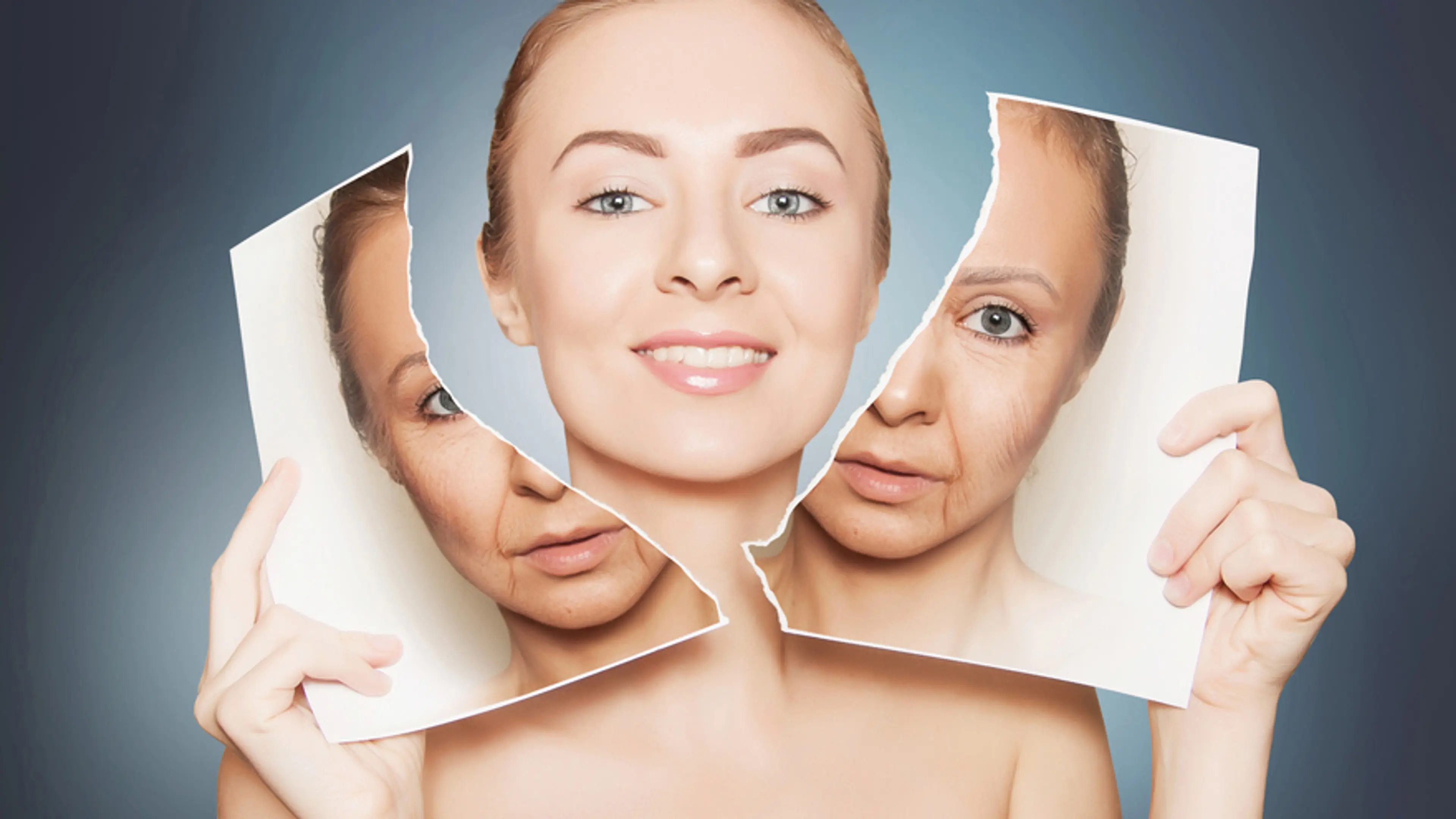
Visit a dermatologist-led clinic like Delight Dermatology for a tailored consultation.
Let us help you build a long-term skin strategy that grows with you — naturally and confidently.