Introduction
introduction:-the-allure-of-non-surgical-fat-reductionAt Delight Dermatology Clinic in Gangnam, one of the most common frustrations patients bring to us is chronic itching, redness, and rashes that simply don’t go away. Many arrive after months of trying over-the-counter creams, home remedies, or even multiple clinic visits elsewhere. Some have been prescribed steroids repeatedly, only to see symptoms return as soon as they stop treatment. When we investigate closely, a frequent culprit is atopic dermatitis (AD) — a condition that is often misunderstood, underestimated, and improperly managed.
This article will walk you through what atopic dermatitis really is, why accurate diagnosis matters, and how modern tools like the MAST (Multiple Allergen Simultaneous Test) allow us to customize treatment in ways that actually last.
What is Atopic Dermatitis?
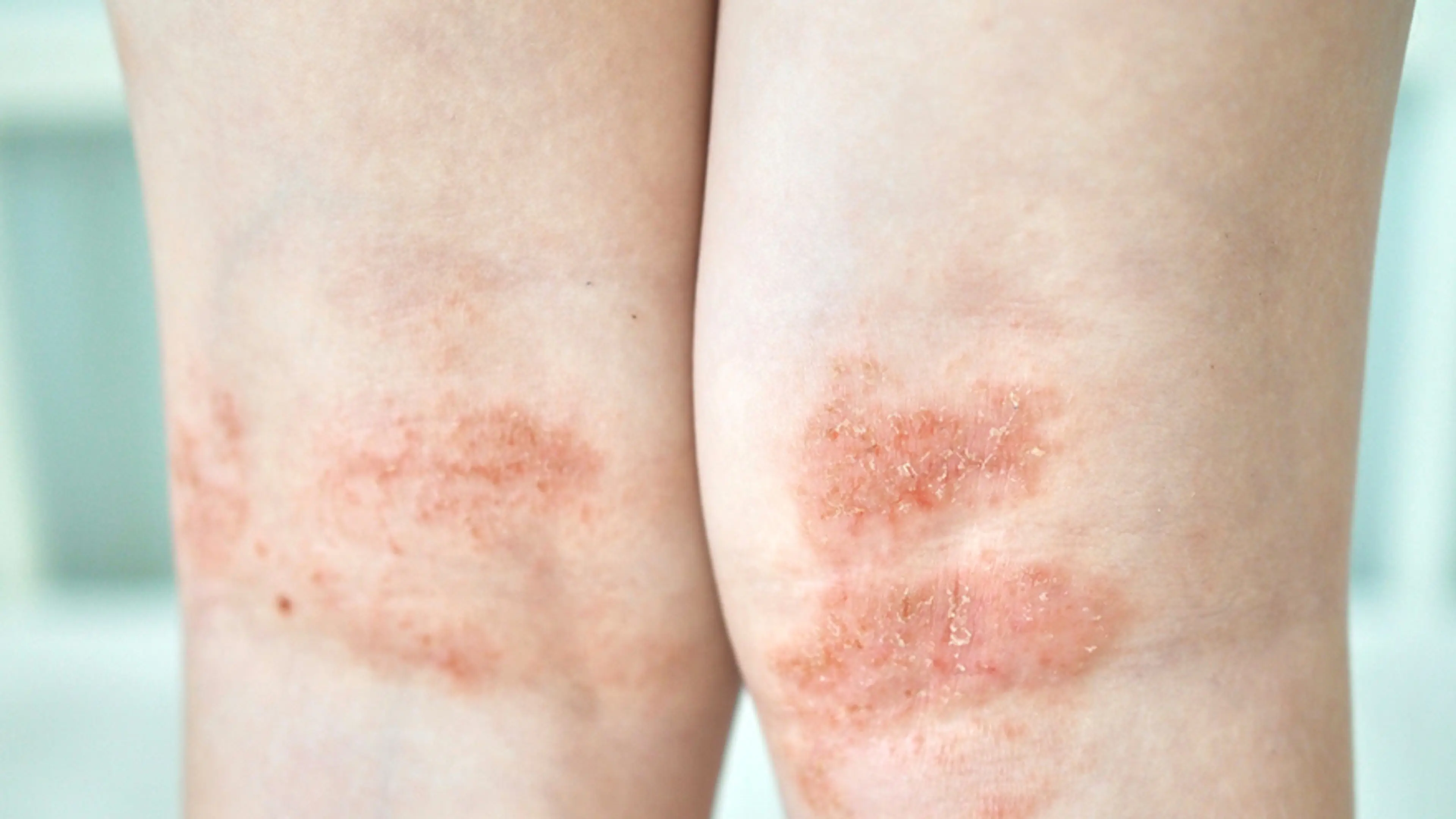
what-is-atopic-dermatitisAtopic dermatitis, often called eczema, is more than just “dry, sensitive skin.” It is a chronic inflammatory disease that develops from a combination of genetics, immune dysregulation, and environmental influences. Patients often describe it as a cycle they cannot escape: when the skin barrier is weak, irritants penetrate easily, the immune system overreacts, and inflammation worsens — leading to relentless itching and scratching that further damages the skin.
In Korea, where lifestyle and environmental stressors are unique, AD takes on particular challenges:
Air pollution and fine dust increase flare-ups and skin barrier stress.
Seasonal changes — dry winters and humid summers — worsen both dryness and irritation.
Dietary triggers such as seafood, spicy food, and alcohol are common parts of Korean dining culture, making lifestyle adjustments tricky.
Typical symptoms include:
Persistent itching, often worse at night and leading to disrupted sleep
Red, inflamed, or scaly patches on the face, neck, inner elbows, and behind the knees
Oozing or crusted lesions during acute flare-ups
Dryness, roughness, or thickened (lichenified) skin in chronic cases
While most people think of eczema as a childhood condition, in our clinic we see many adults in their 20s–40s in Seoul struggling with ongoing or recurrent AD. These cases are often more complex, influenced by work stress, cosmetic use, and urban environmental exposure.
Why Accurate Diagnosis Matters
why-accurate-diagnosis-mattersOne of the greatest misunderstandings about eczema is assuming it’s only a “skin problem.” In reality, AD is a systemic immune condition that simply shows itself on the skin. That’s why creams alone are rarely enough.
When patients arrive at our clinic, they often bring years of frustration:
“I’ve tried every moisturizer in Olive Young, nothing works.”
“My rash always comes back, even after a steroid prescription.”
“I feel like I’m allergic to something, but I don’t know what.”
Without precise diagnosis, treatment often becomes reactive and temporary. That’s why we begin with careful evaluation:
Differentiating conditions: Is this really atopic dermatitis, or another skin disease such as contact dermatitis, fungal infection, or psoriasis?
Identifying hidden drivers: Could foods, dust mites, or environmental allergens be fueling flare-ups?
Assessing severity: How much is the immune system overreacting, and does the patient need only topical care or advanced therapy?
These answers make the difference between short-lived relief and long-term control.
The Role of the MAST Test in Atopic Dermatitis
the-role-of-the-mast-test-in-atopic-dermatitis
To uncover hidden triggers, we frequently recommend the MAST test (Multiple Allergen Simultaneous Test).
Think of it as a “map of your immune sensitivities.” Instead of guessing which allergen may be causing flare-ups, the MAST test uses a single blood sample to screen for dozens of allergens at once. Unlike the traditional skin prick test, which requires multiple needle pricks and can be uncomfortable for children or patients with widespread rashes, the MAST test is quick, minimally invasive, and highly informative.
What the MAST Test Detects
what-the-mast-test-detectsIt measures specific IgE antibodies in the blood against common triggers:
Environmental allergens: pollen, dust mites, mold, pet dander
Food allergens: eggs, milk, wheat, soy, peanuts, seafood (shrimp, crab, shellfish)
Other common triggers: certain chemicals, preservatives, latex
Benefits of MAST Testing
benefits-of-mast-testingComfortable: Only one blood draw, no scratching or pricking of inflamed skin
Comprehensive: Screens dozens of allergens in one step
Objective: Provides measurable data, reducing guesswork
Personalized: Allows treatment and lifestyle planning based on specific sensitivities
For example, we once treated a university student who had been battling facial eczema for years. Steroids worked temporarily, but flare-ups always returned. After MAST testing, we discovered she had a strong allergy to shrimp — a favorite food she ate weekly. Once she adjusted her diet and received proper barrier repair treatments, her skin calmed dramatically.
At Delight Dermatology, patients often describe the test as a turning point: “Now I finally understand why my skin reacts this way.”
Treatment Approaches at Delight Dermatology
treatment-approaches-at-delight-dermatologyTreating atopic dermatitis is not about finding a “cure” — it’s about achieving control, stability, and freedom from constant flare-ups. Our philosophy is to combine medical dermatology precision with aesthetic-level recovery for both skin health and appearance.
1. Acute Flare Control
1.-acute-flare-controlWhen patients are in crisis mode with itching, redness, and sometimes oozing lesions, the goal is to calm the inflammation quickly.
Topical anti-inflammatories such as corticosteroids or calcineurin inhibitors reduce immune overreaction.
Antihistamines help relieve itching and improve sleep quality.
Short-term systemic treatments (oral steroids or immunomodulators) may be prescribed in severe cases.
2. Identifying & Avoiding Triggers
2.-identifying-and-avoiding-triggersThis is where MAST test results are invaluable. Instead of broad and restrictive lifestyle changes, patients learn to make targeted adjustments.
Dust mite-proof bedding for allergic patients
Food substitutions when dietary allergens are identified
Seasonal routines to minimize pollen or fine dust exposure
3. Skin Barrier Repair
3.-skin-barrier-repairLong-term management depends on restoring the skin’s natural defense.
Medical-grade moisturizers with ceramides and lipids rebuild the barrier.
Gentle cleansing routines reduce stripping of natural oils.
Laser or device-based therapy may be used to treat post-inflammatory pigmentation or thickened skin after years of scratching.
4. Advanced Dermatology Options
4.-advanced-dermatology-optionsFor patients with moderate to severe AD, especially adults who have suffered for years, we offer next-generation therapies:
Phototherapy (narrowband UVB): Reduces immune overactivity without systemic drugs.
Biologic injections (Dupilumab): A targeted therapy that blocks specific immune pathways — ideal for severe or treatment-resistant cases.
Regenerative treatments: Devices such as Potenza microneedling RF help restore skin texture, reduce scarring, and repair pigment irregularities left by eczema.
This comprehensive approach ensures not only symptom control but also visible improvement in skin quality, which is a major concern for our Gangnam patients who value both health and aesthetics.
What Many Patients in Gangnam Overlook
what-many-patients-in-gangnam-overlook
To be honest, one of the biggest mistakes we see is treating eczema as a “temporary rash.” Patients chase short-term relief but neglect long-term planning. The danger? Chronic scratching and repeated inflammation lead to permanent skin changes: darkened patches, rough texture, and scars that are much harder to reverse.
Another overlooked issue is self-treatment with trending beauty products or at-home devices. Online recommendations often promote “eczema-friendly creams” or “laser pens,” but without medical guidance, these can worsen irritation or even trigger new flare-ups. In our experience, maintenance matters more than miracles. Consistent, professional care leads to stability; impulsive self-treatment often leads to setbacks.
Living with Atopic Dermatitis — Beyond Skin Deep
living-with-atopic-dermatitis-beyond-skin-deepManaging AD is not only about reducing redness; it’s about regaining quality of life. Patients often share struggles like:
Waking up multiple times at night due to itching
Avoiding social gatherings because of visible rashes
Feeling embarrassed at work or school, especially in appearance-conscious Seoul
The emotional toll can be just as heavy as the physical symptoms. That’s why we emphasize a holistic approach: medical control, skin barrier recovery, and patient confidence. With proper care, patients can expect:
Fewer and shorter flare-ups
Noticeably calmer, smoother skin
Improved sleep and concentration
Greater confidence in daily interactions
When to Visit a Dermatology Clinic
when-to-visit-a-dermatology-clinicIf you have experienced:
Itchy, red patches that last more than two weeks
Repeated flare-ups despite over-the-counter creams
Worsening symptoms after certain foods, environments, or stress
…it’s time to see a
dermatologist. Atopic dermatitis can mimic or overlap with other conditions, so accurate diagnosis is crucial. In Seoul’s fast-paced, high-stress environment, where skin is exposed to pollution, cosmetics, and changing weather, expert guidance ensures better long-term outcomes.
Final Thoughts
final-thoughtsAt Delight Dermatology Clinic, we believe treating atopic dermatitis is not just about calming rashes — it’s about understanding your skin’s immune story. With advanced tools like the MAST test, biologic therapies, and regenerative dermatology, we help patients move beyond trial-and-error toward lasting relief.
If you’ve been struggling with persistent eczema or unexplained flare-ups, consider a personalized program with a
dermatologist-led clinic. In Gangnam, that means finding a team that blends
global training, advanced devices, and private, boutique-style care — just as we strive to provide every patient at Delight Dermatology.