Introduction
how-much-is-pigmentation-treatment-in-korea-why-prices-beat-local-china-feesFor many individuals struggling with uneven skin tone, dark spots, and stubborn melasma, the quest for clear skin often leads to a single destination: Seoul.
Pigmentation is one of the most common dermatological concerns globally, yet the cost and quality of treatment vary wildly across borders. While cities like Shanghai and Beijing offer high-end medical aesthetics, South Korea has solidified its reputation as the "Skin Brightening Capital of Asia."
Thousands of patients from mainland China and around the globe now choose South Korea for their skincare journey. This shift isn't just about the "K-Beauty" trend it’s a calculated decision based on financial savings and clinical superiority.
The Skin Brightening Capital of Asia
i.-introduction:-the-skin-brightening-capital-of-asiaThe Hook: The Migration for Better Skin
the-hook:-the-migration-for-better-skinThe sheer volume of medical tourists traveling from China to South Korea for pigmentation treatments is staggering. Patients are often frustrated by the high "premium" markups in local Chinese private clinics. In Seoul, they find a different reality: ultra-modern facilities where the latest laser technology is as common as a coffee shop.
The South Korea Advantage
the-south-korea-advantageSouth Korea is the global leader in dermatological innovation. Because the local population prioritizes "glass skin," the demand for flawless complexions has pushed the medical industry to its limits. This has resulted in a market that is not only the most technologically advanced but also the most price-competitive. Simply put, South Korea is the cheapest and best place to receive medical-grade skin brightening.
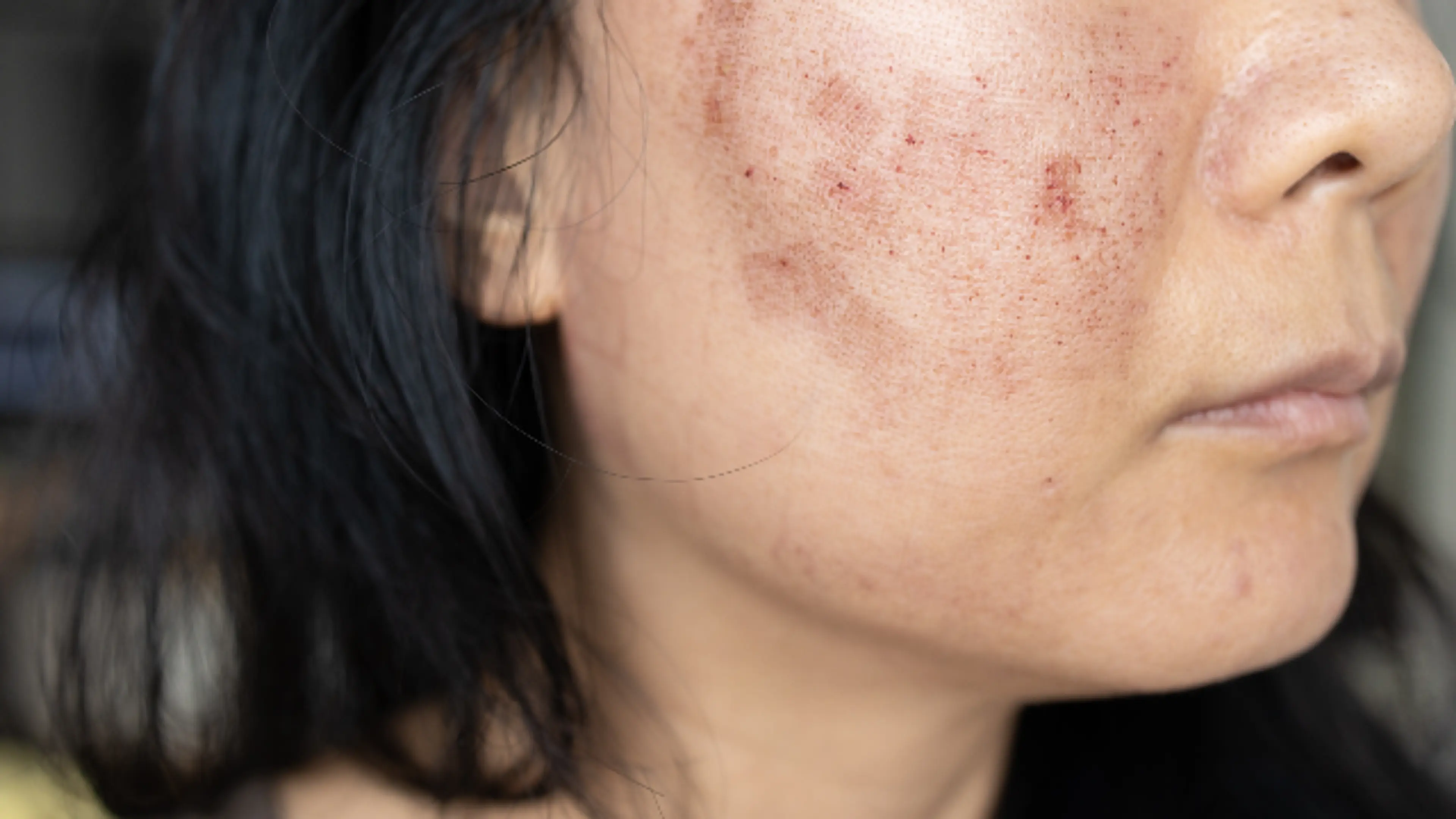
Defining the Concern: What are we treating?
defining-the-concern:-what-are-we-treatingBefore looking at the costs, it is important to understand what
pigmentation entails. In
Korean clinics, doctors typically categorize these into three main areas:
Melasma: Deep, symmetrical patches often caused by hormonal changes.
Freckles & Lentigines: Small spots caused by sun exposure.
PIH (Post-Inflammatory Hyperpigmentation): Dark marks left behind by acne or skin injuries.
The Core Comparison: South Korea vs. China Pricing
ii.-the-core-comparison:-south-korea-vs.-china-pricingWhen comparing the cost of pigmentation removal, the difference is often surprising. In major Chinese hubs like Shanghai or Beijing, "imported" laser treatments are marketed as luxury services. In contrast, these same treatments are considered standard daily procedures in Seoul.
Direct Comparison: The 30–50% Difference
direct-comparison:-the-30-50percent-differenceOn average, a premium laser session in China can cost 30% to 50% more than in South Korea. This is largely due to the "import prestige" associated with foreign medical devices in China. In Korea, those same devices are often manufactured locally or purchased in such high volumes that the cost per patient drops significantly.
The "Volume" Factor
the-"volume"-factorThe Gangnam district alone houses hundreds of specialized dermatology clinics. This high density creates a "high-volume, low-margin" business model. By seeing more patients per day with higher efficiency, Korean clinics can offer world-class pigmentation treatments at a fraction of the price found in China.
Price Comparison Table: Pigmentation Removal Fees
price-comparison-table:-pigmentation-removal-fees
Treatment Type | South Korea Price (Per Session) | China Price (Est. Per Session) | Why Korea is Superior |
|---|
Pico Laser Toning | ₩150,000 – ₩300,000 | ₩350,000 – ₩600,000 | Latest Gen-4 devices; higher pulse precision. |
IPL (Photo-facial) | ₩80,000 – ₩150,000 | ₩150,000 – ₩250,000 | Standardized protocols; often bundled with cooling care. |
CO2 Fractional | ₩200,000 – ₩400,000 | ₩400,000 – ₩700,000 | Faster healing times; experienced in Asian skin types. |
Glutathione IV | ₩50,000 – ₩100,000 | ₩120,000 – ₩200,000 | Pharmaceutical grade; high absorption rates. |
Why Korea’s Prices Beat Local China Fees
iii.-why-korea's-prices-beat-local-china-feesThere are four primary structural reasons why South Korea maintains its status as the cheapest and best for skin care:
Domestic Technology Production: South Korea is a global hub for medical laser manufacturing. Giants like Lutronic and Classys are headquartered here. This eliminates the heavy import taxes and shipping fees that Chinese clinics must pay, allowing Korean doctors to offer the same (or better) technology for less.
Market Saturation: With the highest density of dermatologists per capita, clinics cannot afford to overcharge. Competition is fierce, which benefits the patient through competitive pricing and frequent promotional packages.
Government Support: The South Korean government actively promotes medical tourism. International patients can claim a VAT Tax Refund (approx. 7–10%) at the airport for their medical procedures—a benefit rarely found in China.
Efficiency ("Pali-Pali" Culture): The Korean "hurry-hurry" culture translates to medical efficiency. Clinics use streamlined pipelines—from AI-driven consultations to rapid laser application—reducing overhead costs without sacrificing safety.
Popular Pigmentation Procedures in Korea
iv.-popular-pigmentation-procedures-in-korea
PicoSure & PicoWay
picosure-and-picowayThese are the "gold standard" for pigmentation. Unlike older lasers that use heat to burn away spots, Pico lasers use ultra-short pulses to shatter pigment into tiny particles that the body can easily flush out.
Excel V Laser
excel-v-laserThis is a favorite for patients who have "complex" skin issues. It targets both brown pigmentation and red vascular lesions (broken capillaries) in one session, providing a more comprehensive facial rejuvenation.
Rejuran & Exosomes: The Secret Sauce
rejuran-and-exosomes:-the-secret-sauceMany guides forget to mention that Korean doctors rarely use lasers in isolation. They often combine them with skin boosters like Rejuran Healer or Exosomes. These treatments repair the skin barrier, ensuring that the laser doesn't cause dryness and that the pigmentation doesn't return.
The Patient Journey: What to Expect
v.-the-patient-journey:-what-to-expectThe Consultation
the-consultationIn Seoul, your journey starts with an AI skin analysis. This isn't just a quick look in the mirror; machines scan the deeper layers of your dermis to identify "hidden" pigmentation that hasn't even reached the surface yet.
The Procedure
the-procedureNumbing: A potent topical cream is applied for 20–30 minutes.
Laser: The actual treatment usually lasts only 15 minutes. It feels like a light snapping of a rubber band.
Cooling: This is where Korea excels. Every laser treatment is followed by an intensive cooling mask or cryotherapy to reduce redness immediately.
Recovery & Aftercare
recovery-and-aftercareThanks to advanced post-laser protocols, downtime is minimal. Most patients can apply makeup and go to dinner in Myeongdong immediately after their appointment.
Candidacy and Safety
vi.-candidacy-and-safetyWho is it for?
who-is-it-forLaser treatment is ideal for those with sunspots, age spots, or acne scars. However, those with very dark skin tones or active infections should consult a specialist first to avoid complications.
The Specialist Advantage
the-specialist-advantageWhile many "beauty spas" in China offer laser services, South Korean law is very strict. Most reputable clinics are staffed by board-certified dermatologists who have spent years studying Asian skin specifically. This expertise significantly reduces the risk of Post-Inflammatory Hyperpigmentation (PIH) a common side effect where the skin darkens after a laser treatment.
Content Gap: The "Foreigner Pricing" Myth vs. Reality
vii.-content-gap:-the-"foreigner-pricing"-myth-vs.-realityA common concern is whether foreigners are charged more. While some "tourist-trap" clinics in Myeongdong might have higher rates, the industry has become highly transparent.
Use Apps: Download apps like Gangnam Unni or Yeosin Ticket. Even if they are in Korean, you can see the price lists, which are legally required to be the same for locals and foreigners in most medical institutions.
Transparent Pricing: Most top-tier clinics now post their "foreigner" price lists online in English or Chinese to build trust.
Frequently Asked Questions
viii.-frequently-asked-questions-(faq)1.How Many Sessions Will I Need For My Pigmentation?
1.how-many-sessions-will-i-need-for-my-pigmentationMost patients see significant clearing in 3 to 5 sessions, though individual results vary based on the depth of the pigment.
2.Can I Get A Tax Refund On Skin Treatments?
2.can-i-get-a-tax-refund-on-skin-treatmentsYes! If you are a tourist, ensure you bring your passport. Most clinics provide a document you can scan at the airport to receive a 7–10% VAT refund.
3.Is It Safe To Fly Immediately After Laser Treatment?
3.is-it-safe-to-fly-immediately-after-laser-treatmentYes. Most modern pigmentation lasers are non-ablative, meaning they don't break the skin. You can fly back to China or elsewhere the same day.
4.Why Is Korea Cheaper Than My Home Country?
4.why-is-korea-cheaper-than-my-home-countryThe combination of local laser manufacturing and high patient volume allows clinics to maintain lower price points while using superior technology.
5.Will The Pigmentation Come Back?
5.will-the-pigmentation-come-backLasers remove existing spots, but they cannot prevent new ones from forming. Strict SPF use and a good skincare routine are essential for long-term results.
Conclusion
ix.-conclusion:-is-the-trip-to-korea-worth-itWhen you add up the savings, the tax refunds, and the access to the world’s most advanced laser technology, the answer is a resounding yes. South Korea isn't just a trend; it is the cheapest and best option for anyone serious about treating pigmentation.
By choosing a clinic in Seoul, you aren't just saving money you are investing in a level of expertise and technology that is currently unmatched in the local Chinese market. You get better results, faster healing, and a more transparent pricing structure, all while enjoying the sights of the world's most vibrant skincare hub.
[Book Your Consultation Now]