Home / Articles
How Much is Stem Cell Therapy in Korea? Why Prices Beat Local China Fees
Home / Articles
How Much is Stem Cell Therapy in Korea? Why Prices Beat Local China Fees
For many years, China was a go-to destination for early-stage cellular treatments. However, a significant shift is occurring. Today, patients from around the world are bypassing local clinics in Beijing and Shanghai, heading straight to Seoul.
Historically, China offered massive infrastructure for cellular research. However, the patient experience often suffered from a lack of price transparency and inconsistent clinical results. Many patients are now moving away from traditional Chinese beauty clinics toward Seoul’s clinical precision. Seoul has transformed into a global hub where medical innovation meets high-volume efficiency.
The primary reason for this migration is simple: South Korea has mastered the art of medical scaling. By treating a higher volume of patients under strict government oversight, Korean clinics can offer Stem Cell Therapy that is significantly more affordable than the high-end private options in China. In Korea, affordable translates to medical efficiency, not lower quality.
To understand why South Korea is the leader in this field, it is important to understand how they handle the cells themselves.
A major Content Gap in other markets is the processing of cells. In Korea, top-tier clinics use Cell Processing Facilities (CPF) approved by the Ministry of Health. These on-site labs ensure that the cells are harvested at high concentrations and administered while they are at their peak viability.
One of the biggest hurdles for patients in China is the Foreigner Fee. Many high-end clinics in major Chinese cities do not have fixed price lists for international patients, leading to massive price swings. In contrast, South Korea is famous for its transparent, fixed-price packages.
The Gangnam Cluster creates a unique economic environment. Because hundreds of world-class clinics are concentrated in one district, competition forces prices down. Furthermore, the Korean government subsidizes much of the research and development in biotechnology, meaning patients don't have to foot the bill for experimental costs.
The following table highlights why South Korea is the cheapest and best choice for various regenerative treatments.
Treatment Category | South Korea (Seoul) | Local China (Beijing/Shanghai) | The Korean Advantage |
|---|---|---|---|
Stem Cell Facial Rejuvenation | $3,000 – $7,000 | $6,000 – $12,000 | 50% lower due to domestic tech |
Anti-Aging IV Therapy (Systemic) | $8,000 – $15,000 | $12,000 – $25,000+ | Higher purity, lower lab costs |
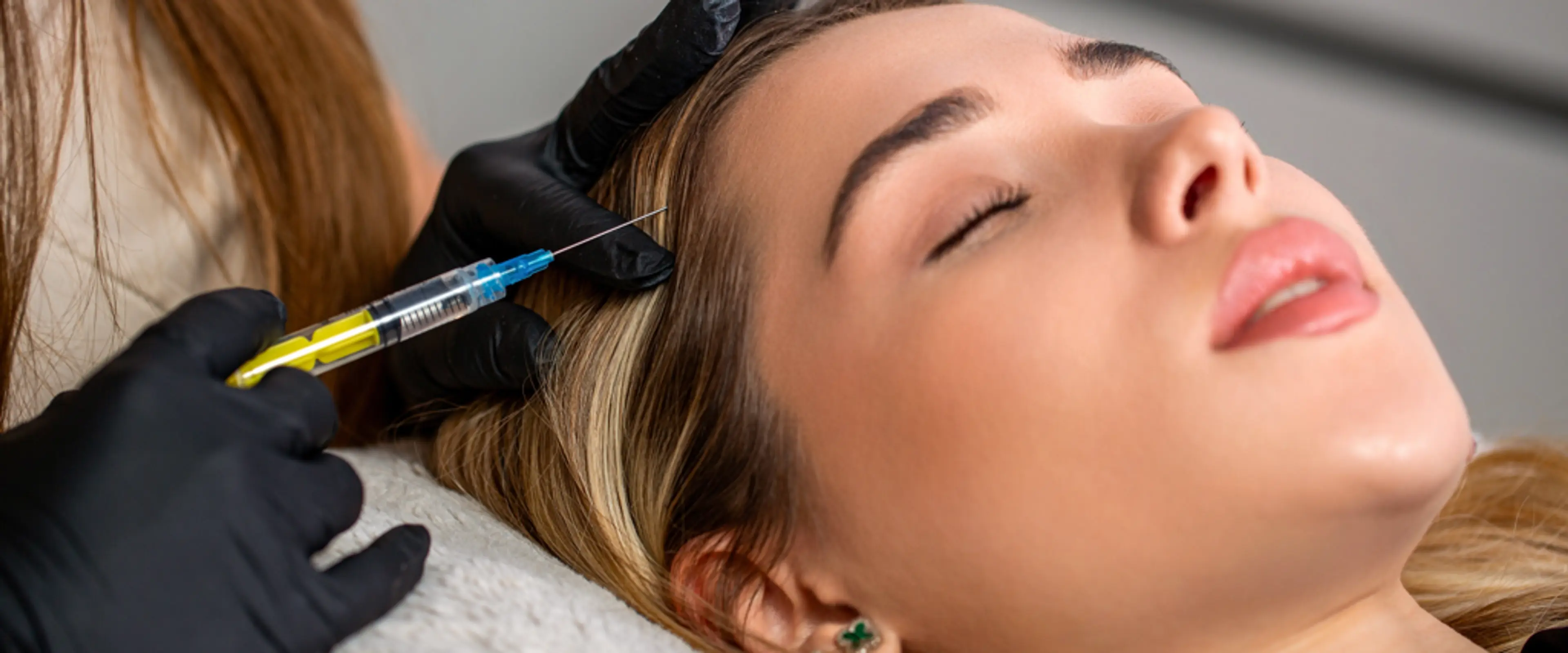
Hair Restoration (Stem Cell) | $2,500 – $5,000 | $4,500 – $8,000 | Specialized hair-growth protocols |
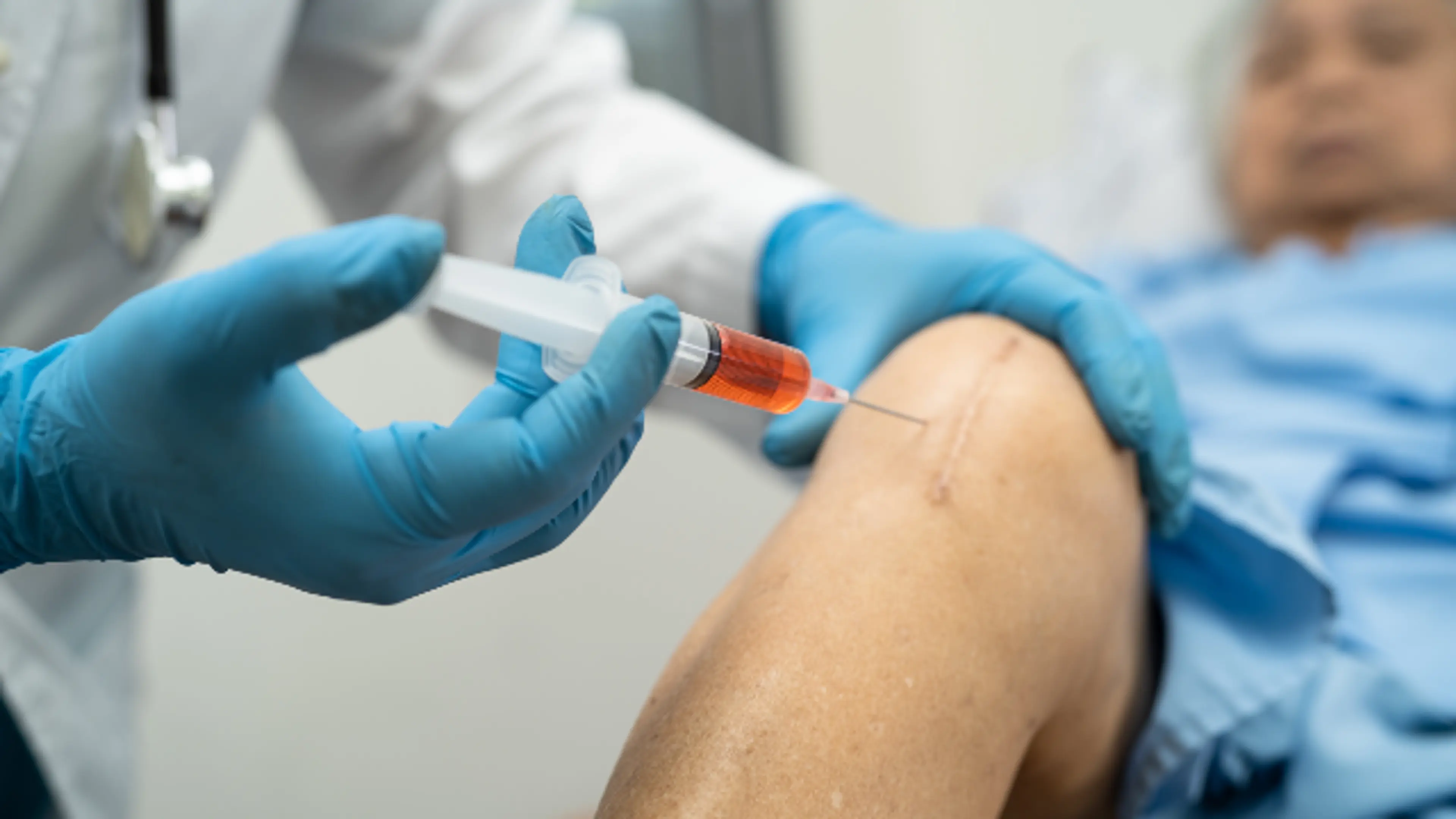
Orthopedic (Joint) Therapy | $5,000 – $12,000 | $10,000 – $18,000 | World-leading joint specialists |
Unlike clinics in China that often import expensive kits and centrifuges from Europe or the U.S., Korea produces its own world-class medical hardware. By using premium lasers, harvesting kits, and cultivation reagents manufactured within the country, Korean clinics avoid heavy import taxes and pass those savings directly to you.
Safety in Korea is not just a promise it is the law. The Act on the Safety of and Support for Advanced Regenerative Medicine and Advanced Biological Products ensures that every clinic is audited. Because the legal framework is so clear, clinics can operate with higher efficiency and lower insurance overhead than their Chinese counterparts.
When you book a treatment in Seoul, your quote usually includes:
Airport transfers and local transportation.
Certified medical translators.
Advanced post-op recovery (such as LED Light Therapy).
In China, these are often hidden costs that can add $2,000+ to your final bill.
Stem Cell Therapy is ideal for:
Patients with osteoarthritis seeking to avoid joint replacement surgery.
Individuals noticing a loss of skin elasticity and hollowing of the face.
People suffering from chronic fatigue or systemic inflammation.
One of the best parts about choosing Korea is the recovery protocol. IV treatments have zero downtime. For autologous fat harvesting, you may experience minor bruising for 3–5 days, but most patients are back to light sightseeing in Seoul the very next day.
In a crowded market, you must know what to look for to ensure you are getting the best and not just the cheapest.
The efficiency of the Korean medical system allows for a rapid turnaround that respects your time.
Yes. South Korea has some of the world’s most stringent regulations regarding cell manipulation. Leading clinics utilize "Clean Class 10,000" clean-rooms and follow strict GMP (Good Manufacturing Practice) standards to ensure zero contamination.
It comes down to volume and vertical integration. Korea’s high density of clinics and domestic production of medical supplies creates an economy of scale. You get premium medical care at a lower cost because the system is designed for medical tourism.
While your body will continue to age naturally, the regenerative benefits of a high-quality stem cell treatment typically last between 1 to 3 years. Maintaining a healthy lifestyle can extend these results significantly.
No. Almost all Stem Cell Therapy procedures in Korea are performed on an outpatient basis. You can return to your hotel comfortably and even enjoy the famous shopping districts of Seoul the same evening.