Introduction
introduction:-the-doctorpetit-philosophyIt’s not uncommon for patients to visit our clinic after a wound, surgery, or even acne breakout — only to notice that their skin heals with a thick, raised scar instead of fading flat and smooth. These scars often feel tight, itchy, or visibly red, standing out more than the injury that caused them. When this happens, two possibilities usually come to mind: hypertrophic scars and keloids.
At Delight Dermatology Clinic in Seocho, Gangnam, we see both types frequently — not only because they are common in Asian skin types but also because patients in Seoul tend to value even, clear, and refined skin texture. Treating these scars is not about simple aesthetics; it’s about restoring comfort, confidence, and balance to the skin.
What Are Hypertrophic Scars and Keloids?
what-are-hypertrophic-scars-and-keloidsBoth
hypertrophic scars and keloids are forms of
abnormal wound healing, where the body produces too much collagen as it tries to repair the skin. The difference lies in how far this overgrowth spreads and how aggressive the scar tissue becomes.
Hypertrophic Scars
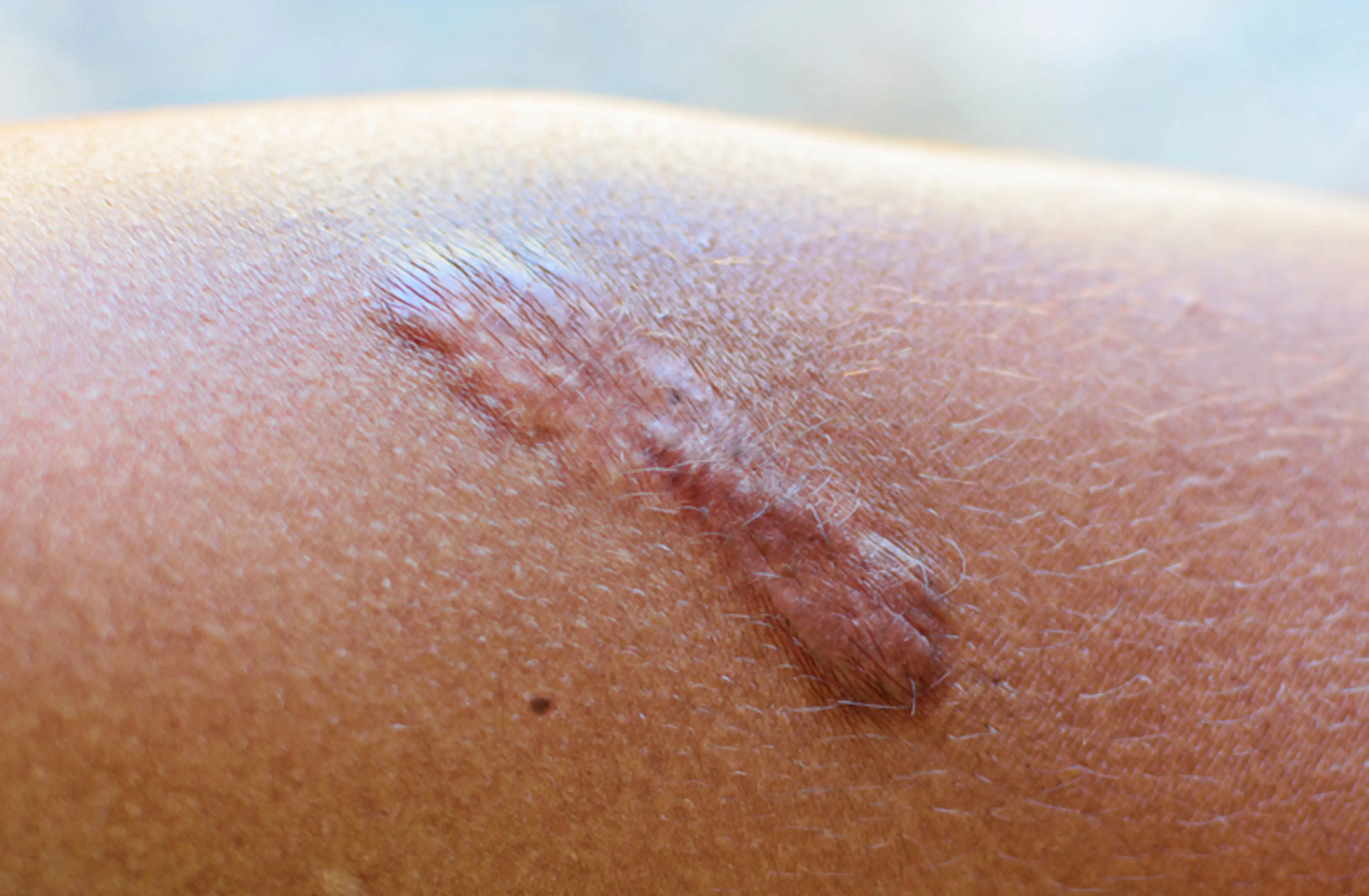
hypertrophic-scarsThese scars remain within the boundaries of the original wound.
They may be red, raised, or firm, but often improve naturally over time or with proper treatment.
Common after surgical incisions, burns, or trauma.
Keloids
keloidsKeloids grow beyond the original wound area, forming thick, rubbery, sometimes painful nodules.
They can continue expanding long after the skin injury has healed.
Commonly appear on the chest, shoulders, jawline, and earlobes — areas with strong skin tension or frequent movement.
One simple analogy:
“A hypertrophic scar is like a careful patch job that went a bit overboard; a keloid is like the patch that keeps expanding even after the job is done.”
Why Do Some People Develop Keloids or Hypertrophic Scars?
why-do-some-people-develop-keloids-or-hypertrophic-scarsTo be honest, this is one of the most frustrating aspects of dermatology — two people can have the same wound, and one heals perfectly while the other develops a keloid. The reason lies in genetics, skin type, wound tension, and inflammation control.
Common risk factors include:
Genetic tendency: More frequent in Asian, African, and darker skin types.
Age: Common in younger patients (10s to 30s), when collagen activity is higher.
Wound tension: Areas that stretch or move a lot (shoulders, chest, jaw) are more prone.
Infection or inflammation: Improper wound care or acne manipulation increases risk.
What many patients in Gangnam overlook is that skin procedures — like piercings, laser treatments, or mole removal — can also trigger keloid formation if you have a predisposition. That’s why pre-procedure consultations at a dermatology clinic matter so much.
How Do Dermatologists Diagnose and Classify Raised Scars?
how-do-dermatologists-diagnose-and-classify-raised-scars
Diagnosis isn’t just about appearance. At Delight Dermatology, we evaluate each scar’s:
Thickness and texture
Color and vascular activity (via dermoscopy or imaging)
Growth pattern (stable or expanding)
Symptoms like itchiness, tightness, or pain
For example, a patient might describe a post-acne scar on the jaw that feels “tight and itchy.” On examination, if it’s confined to the acne spot, we consider a hypertrophic scar; if it’s growing wider, a keloid is more likely.
Accurate classification helps determine the right combination of treatments — because managing a keloid requires long-term control, not just short-term flattening.
Treatment Options for Hypertrophic Scars and Keloids
treatment-options-for-hypertrophic-scars-and-keloidsThere is no single “miracle cure.” Successful treatment combines precision-based interventions with consistent follow-up. At Delight Dermatology, our approach blends medical therapy, procedural treatments, and maintenance to achieve smoother, more natural skin over time.
1. Intralesional Injections (Steroid or Combination Therapy)
1.-intralesional-injections-(steroid-or-combination-therapy)How it works:
Corticosteroids (like triamcinolone) are injected directly into the scar tissue to reduce collagen production, soften the scar, and relieve itching or redness.
Combination formulas — mixing steroids with agents like 5-fluorouracil (5-FU) or botulinum toxin — have shown excellent results in resistant keloids. The injections are typically spaced every 3–6 weeks until the scar flattens.
Why we recommend it:
It’s minimally invasive and provides direct control over scar activity. However, technique matters — injecting too superficially can cause atrophy or discoloration. That’s why precision dosing and experience are key.
2. Laser Treatments
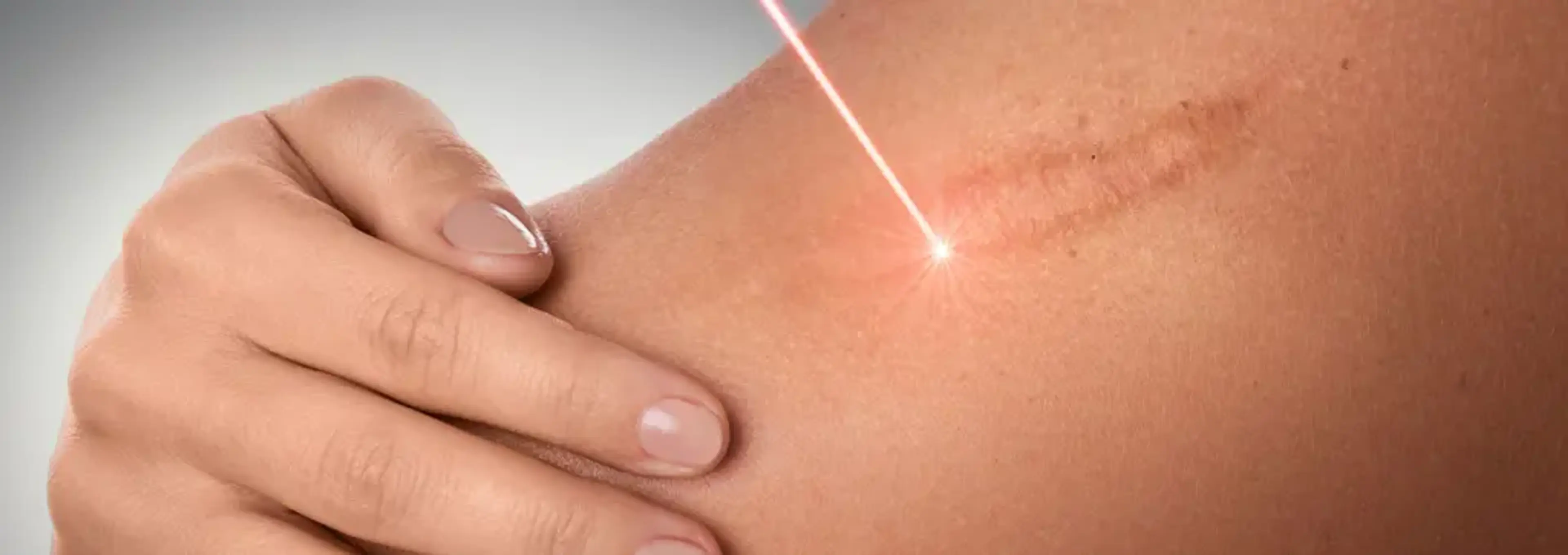
2.-laser-treatmentsModern dermatology allows us to manage both texture and color of scars through laser technology.
Vascular lasers (PDL, Excel V): Target redness and excessive blood flow in fresh hypertrophic scars.
Fractional lasers (CO₂, Fraxel): Remodel collagen structure and smooth uneven scar surfaces.
Pico or nanosecond lasers: Can help improve pigment irregularities around older scars.
At Delight Dermatology, we often combine intralesional injections with laser treatments — the injections reduce inflammation internally, while lasers refine the outer appearance. This synergy helps scars respond faster and heal with better cosmetic outcomes.
3. Microneedling and RF Microneedling (Potenza, Infini)
3.-microneedling-and-rf-microneedling-(potenza-infini)For certain stable hypertrophic scars, radiofrequency microneedling can help reorganize the disordered collagen network. Devices like Potenza deliver controlled heat deep into the dermis, promoting smoother remodeling without excessive damage to the surface.
Think of it as “retraining the skin” to rebuild collagen in the right direction rather than piling it up unevenly.
4. Silicone Gel or Pressure Therapy
4.-silicone-gel-or-pressure-therapyTopical silicone gels and sheets remain one of the safest, most evidence-based maintenance options. They hydrate the scar, reduce tension, and help flatten early hypertrophic scars when used consistently.
In some cases (like earlobe keloids after piercing), custom pressure earrings are used post-treatment to prevent recurrence.
5. Cryotherapy and Surgical Revision
5.-cryotherapy-and-surgical-revisionCryotherapy: Freezes scar tissue using liquid nitrogen, leading to gradual softening and shrinkage. Often paired with steroid injections for enhanced results.
Surgical revision: Reserved for severe or functional scars that restrict movement — but only when combined with post-surgery preventive therapy (steroid injection, laser, or silicone), as recurrence after excision alone is high.
In keloid-prone patients, surgery without follow-up care is almost guaranteed to regrow a larger scar. That’s why at our clinic, any excision is always part of a long-term plan, not a one-time fix.
6. Emerging and Adjuvant Therapies
6.-emerging-and-adjuvant-therapiesBotulinum toxin injections: Relax surrounding muscle tension, improving scar appearance and discomfort.
PRP (Platelet-Rich Plasma): Used selectively for remodeling in combination with other methods.
Radiation therapy: Occasionally used for large, resistant keloids after surgery — though typically reserved for hospital-based care.
What Patients Should Know Before Starting Treatment
what-patients-should-know-before-starting-treatment
Many first-time patients expect keloid removal to be like erasing a mole — quick and final. In reality, scar control is a gradual process. The goal is to flatten, fade, and relieve symptoms, then prevent regrowth with careful maintenance.
At Delight Dermatology, we often explain it this way:
“Treating a keloid is like calming a chronic inflammation. You can’t silence it overnight, but with steady care, it stays quiet — and your skin feels like yours again.”
Patients should also:
Avoid unnecessary trauma (piercing, tattoos, picking acne).
Use sunscreen regularly to prevent post-treatment pigmentation.
Continue maintenance therapies (silicone, gentle laser sessions).
Consistency matters more than intensity.
Realistic Expectations and Long-Term Care
realistic-expectations-and-long-term-careHypertrophic scars often flatten and fade with several months of care. Keloids, on the other hand, require a long-term strategy — typically 6–12 months of monitored treatment, followed by maintenance every few months.
Success isn’t just about flattening the bump; it’s about:
Our clinic emphasizes personalized protocols — combining treatments based on scar age, skin type, and patient lifestyle.
Why Choose a Dermatologist-Led Approach
why-choose-a-dermatologist-led-approachWhile over-the-counter scar gels and home devices are popular, they rarely control the biologic activity behind keloids. That’s why dermatologist-led care is essential — to balance medical precision with aesthetic sensitivity.
Global-standard treatment algorithms
Advanced laser platforms (PDL, CO₂, Potenza)
Tailored injection regimens
Continuous monitoring for relapse
Our philosophy is simple: every scar has a history, and every patient deserves a plan — not just a procedure.
Final Thoughts
final-thoughtsIf you’ve been struggling with a persistent raised scar — whether from acne, surgery, or piercing — don’t ignore it or try to “rub it away.” The earlier you intervene, the better your results and the lower your recurrence risk.
A personalized consultation at a specialist clinic can identify whether your scar is hypertrophic or keloid, and craft a treatment plan that restores both texture and peace of mind.
Delight Dermatology Clinic in Gangnam offers precision-based scar management under
board-certified dermatologists trained at international institutions.
If you’re ready to address stubborn scars with science-backed, gentle care — we’re here to help you heal beautifully.