Home / Articles
Improving Skin Health with Microneedling and PRP
Home / Articles
Improving Skin Health with Microneedling and PRP
A Dermatologist’s Perspective from Gangnam
This is where microneedling combined with PRP (Platelet-Rich Plasma) quietly stands out.
It’s not a “trending” treatment in the flashy sense. It doesn’t promise instant lifting or dramatic contour changes. But in real dermatology practice — especially for patients in their 30s to 50s who want long-term skin quality, not short-lived glow — microneedling with PRP remains one of the most biologically intelligent ways to improve skin health.
At Delight Dermatology Clinic in Gangnam, we often describe it as helping the skin remember how to heal itself again.
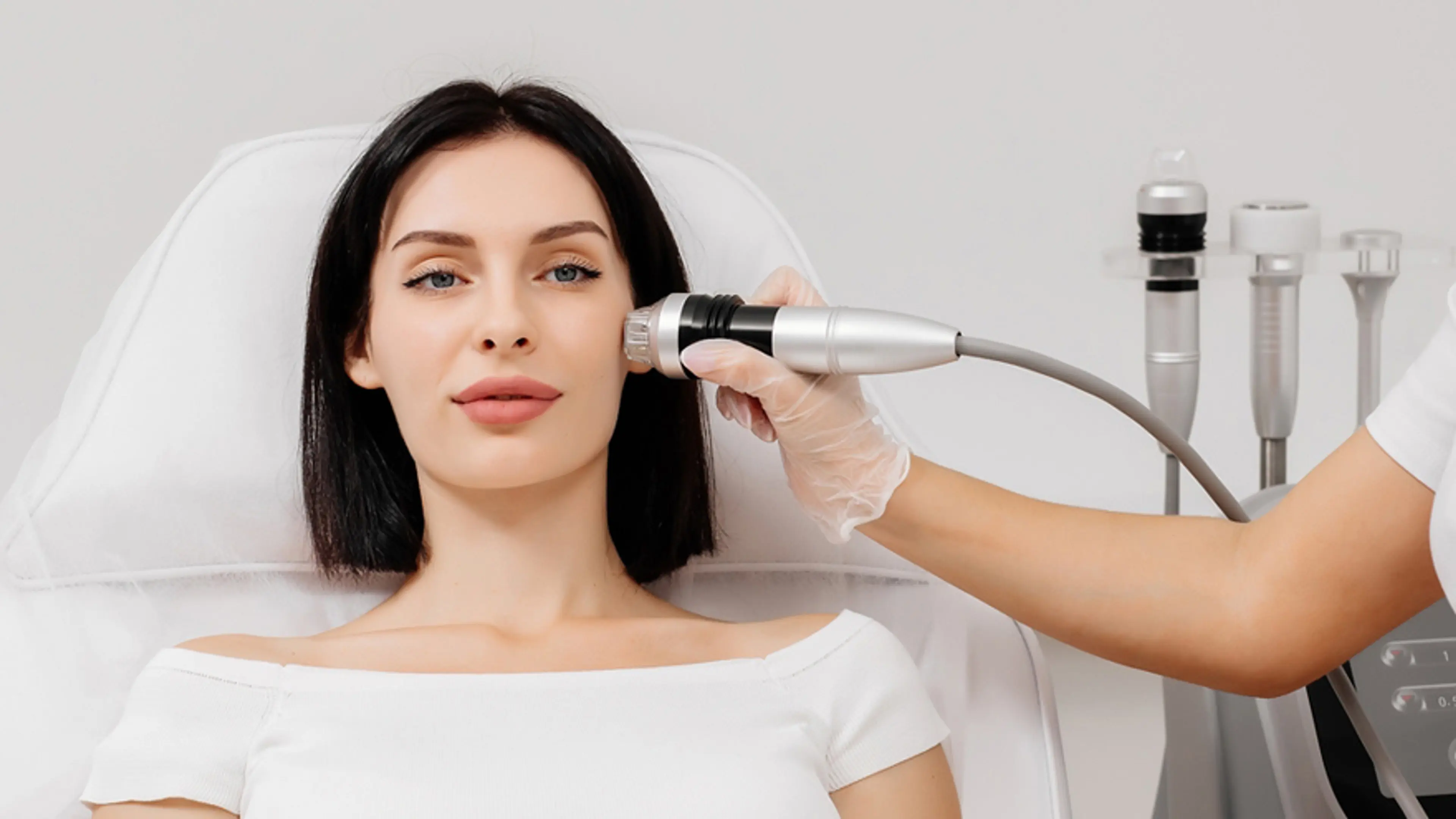
Using a medical-grade device, we create microscopic channels in the skin at carefully selected depths. These micro-injuries are intentional — not to damage the skin, but to activate its natural repair cascade.
From a dermatologic standpoint, microneedling works because the skin is evolutionarily designed to respond to injury by regenerating. When the injury is controlled and sterile, the response is constructive rather than inflammatory.
When performed correctly by a dermatologist, several key processes are activated:
Fibroblasts are stimulated to produce new collagen and elastin
Growth factors are released at the injury site
Microcirculation improves, enhancing oxygen and nutrient delivery
Epidermal turnover becomes more organized and efficient
Over time, this leads to thicker, firmer, more elastic skin — not just smoother texture. Importantly, the skin also becomes more resilient to environmental stressors such as UV exposure, pollution, and repeated procedures.
PRP (Platelet-Rich Plasma) is derived from your own blood. After centrifugation, we isolate plasma that is rich in platelets — cells that contain a high concentration of growth factors and signaling proteins.
These growth factors play a critical role in tissue repair, angiogenesis, and collagen synthesis. They are the same biological messengers your body uses when healing a cut or surgical wound.
Microneedling opens micro-channels in the skin. PRP delivers biological instructions directly into those channels at the exact moment the skin is most receptive.
Together, they:
Accelerate the healing response
Enhance collagen remodeling at deeper dermal levels
Reduce post-procedure inflammation and redness
Improve skin tone, texture, and hydration more naturally
Many patients describe the result not as “glow,” but as skin that looks well-rested, healthier, and more balanced — even without makeup.
From a clinical perspective, PRP also helps reduce variability in outcomes. Skin heals more predictably, which is particularly important for patients with sensitive or pigment-prone skin.
Patients in their mid-30s to 40s often notice that their skin feels less dense or elastic before wrinkles fully appear. This is due to gradual collagen loss and reduced fibroblast activity. PRP helps restore dermal density, not just surface smoothness, making it an ideal preventive and corrective option.
Rolling scars and shallow box scars respond particularly well because collagen remodeling occurs gradually and evenly. Rather than “filling” scars, microneedling encourages the skin to rebuild itself from within.
Pores are not cleanliness problems — they are structural openings influenced by collagen support. Strengthening the surrounding dermis can make pores appear smaller and more refined over time.
Especially common in Asian skin types, PIH often worsens when the skin barrier is compromised. By improving healing quality and reducing inflammation, PRP-assisted microneedling helps pigmentation fade more steadily — without triggering rebound darkening.
This is one of the most overlooked indications. Many patients assume they need stronger lasers, when what they actually need is healthier skin biology and improved circulation.
In Korea, skin expectations are nuanced. “Glass skin” isn’t about being shiny — it’s about clarity, density, translucency, and even tone.
What many patients in Gangnam overlook is that overly aggressive treatments done too frequently can thin the skin over time. We often see patients who have achieved short-term brightness but lost elasticity and resilience.
Microneedling with PRP offers an alternative path — slow, cumulative improvement without sacrificing skin integrity.
Patients often ask if it hurts.
With proper topical anesthesia and medical technique, discomfort is generally well tolerated. Most patients describe the sensation as pressure, a mild scratching feeling, and temporary warmth afterward.
Redness typically subsides within 24–48 hours, sometimes sooner when PRP is used. Mild swelling or sensitivity may occur, but downtime is minimal compared to many energy-based treatments.
Because PRP supports healing, post-treatment recovery tends to be smoother and more predictable.
If you’re wondering whether this treatment really lasts — you’re not alone.
Microneedling with PRP is not an instant transformation. It works on the body’s biological clock, not a cosmetic one.
Maintenance treatments once or twice a year are often advised for sustained results.
Many patients chase brightness, lifting, and tightness, but ignore healing capacity. PRP doesn’t force the skin to change — it supports how it naturally repairs itself.
This is also why at-home microneedling devices and unregulated PRP kits often disappoint or cause complications. Depth control, sterility, growth factor concentration, and aftercare all matter far more than most people realize.
From a dermatologist’s perspective, microneedling is not about creating injury — it’s about guiding healing.
Microneedling with PRP is safe when properly indicated, but caution is needed for patients with:
Active inflammatory acne or skin infections
Certain autoimmune or bleeding disorders
Poor wound healing history
Severe or unstable melasma without prior control
A dermatologist-led consultation is essential — particularly for Asian skin types that are more prone to post-inflammatory pigmentation.
At our clinic in Gangnam, microneedling with PRP is rarely offered as a standalone menu item.
This includes:
Adjusting needle depth by facial zone
Customizing PRP concentration based on skin goals
Combining microneedling with other modalities when appropriate
The goal is not dramatic change, but skin you can trust — year after year.
If your skin concern isn’t a single wrinkle or spot, but a general feeling that your skin has lost strength, microneedling with PRP may be worth considering.
It is particularly suitable if you:
Want natural-looking, progressive improvement
Are cautious about aggressive energy-based devices
Value long-term skin health over short-term results