Home / Articles
Natural Skin Repair with Growth Factors and Peptides
Home / Articles
Natural Skin Repair with Growth Factors and Peptides
A dermatologist-led perspective from Delight Dermatology Clinic, Gangnam
To be honest, many patients who visit our clinic in Gangnam come in with the same quiet frustration.
They’ve invested in good skincare. They use sunscreen faithfully. Some have tried high-end anti-aging products from Korea, Europe, or the US. Yet their skin still feels tired. Fine lines don’t fully soften. Acne scars improve only slightly. Pigmentation fades—and then returns.
Your skin already knows how to:
Heal wounds
Produce collagen and elastin
Restore its barrier after inflammation
Maintain clarity and elasticity
The challenge is that these abilities decline with:
Age
UV exposure
Chronic inflammation (acne, pigmentation, rosacea)
Over-treatment or excessive procedures
This is where growth factors and peptides play a central role.
They tell cells:
When to divide
When to repair damage
When to produce collagen, elastin, and extracellular matrix
In dermatology, the most important effects include:
Activation of fibroblasts (collagen-producing cells)
Acceleration of wound healing
Support of epidermal regeneration
Reduction of prolonged or abnormal inflammation
From the mid-20s onward:
Fibroblasts respond more slowly to repair signals
UV damage disrupts cellular communication
Chronic inflammation “confuses” healing pathways
This is why skin heals more slowly, scars persist longer, and texture changes become more visible with age—even when skincare habits are excellent.
Depending on their structure, peptides can:
Signal collagen production
Support elastin formation
Improve skin barrier strength
Reduce inflammation
Relax repetitive micro-muscle contractions that contribute to fine lines
Molecular design
Concentration
Delivery method
The condition of the skin receiving them
A damaged or inflamed skin environment may not respond well, regardless of how expensive the product is.
This is not an “either-or” situation.
Growth factors and peptides are most effective when used together:
At our clinic, we often compare this to rebuilding a structure:
Together, they support natural-looking, progressive improvement—rather than dramatic but short-lived changes.
Patients frequently ask:
“If I’m already using a growth factor or peptide serum, isn’t that enough?”
Growth factors, in particular, are large proteins. Most topical products:
Improve surface hydration and texture
Support recovery after treatments
Help maintain results
But they rarely deliver enough active material to the dermis to repair:
Collagen loss
Acne scars
Deep textural aging
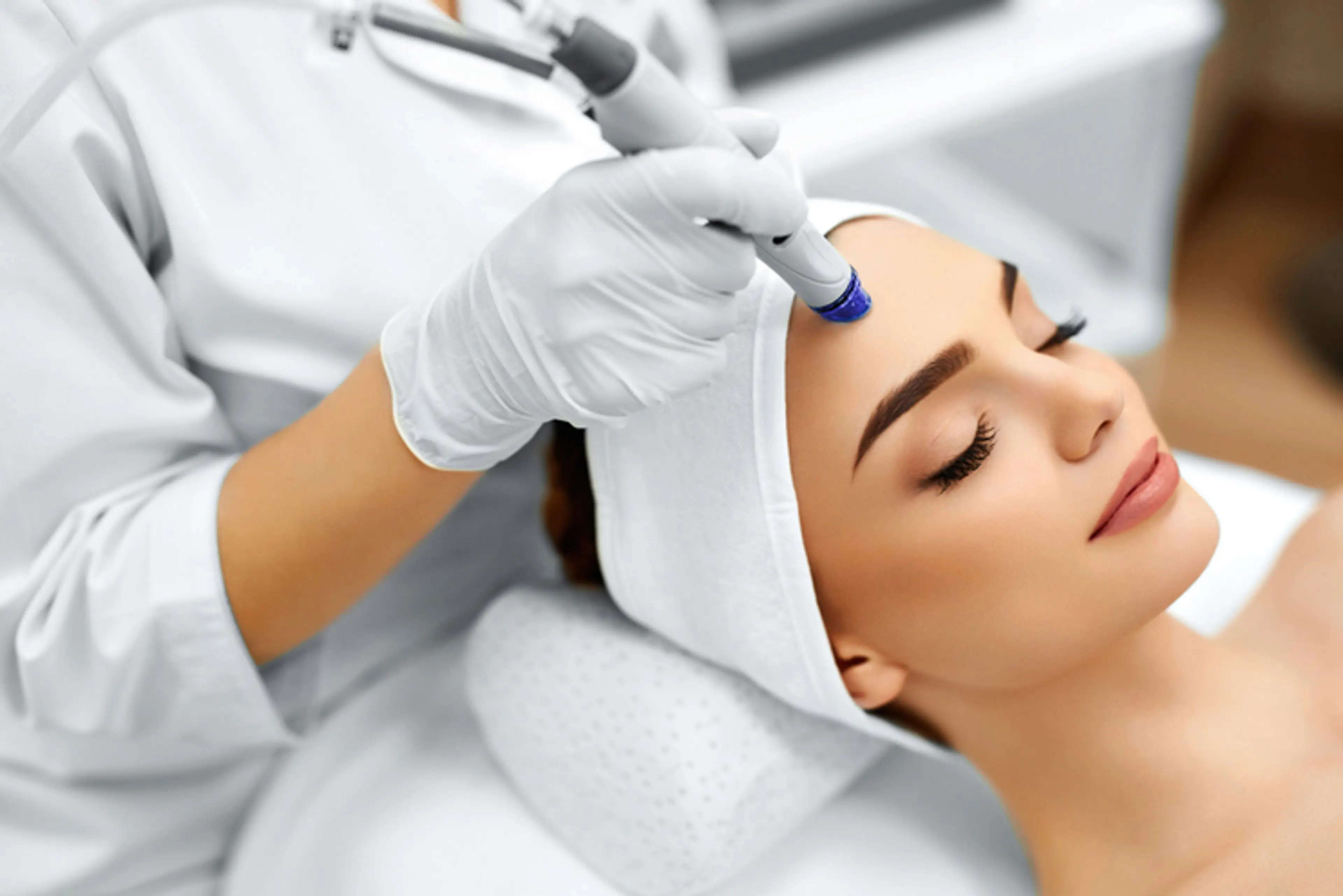
Microneedling creates controlled micro-injuries that:
Activate the skin’s natural wound-healing cascade
Allow growth factors and peptides to reach meaningful depths
This is particularly effective for:
Acne scars
Enlarged pores
Early aging and uneven texture
Radiofrequency energy adds:
Heat-induced collagen remodeling
Structural tightening in the dermis
In specific cases, dermatologist-guided regenerative injections may help:
Thin under-eye skin
Slow post-laser recovery
Chronically inflamed or sensitized skin
These treatments are always personalized and conservative. Regeneration works best when the skin is respected, not overwhelmed.
This approach is particularly well suited for patients who:
Have acne scars that plateau despite laser treatments
Experience recurring pigmentation due to slow skin recovery
Want anti-aging results without volume distortion
Prefer biologically natural improvement over aggressive procedures
Here’s something dermatologists observe but rarely say openly:
The result is skin that becomes:
Chronically inflamed
More sensitive
Slower to heal
Prone to pigmentation relapse
Growth factors and peptides help restore balance—but only when paired with appropriate intervals and restraint.
Growth factor- and peptide-based treatments are:
Non-hormonal
Non-filling
Suitable for most skin types
Results are gradual and cumulative:
Texture improvement appears over weeks
Firmness and elasticity improve over months
Skin becomes more resilient to future procedures
If you’re wondering whether this approach truly lasts—the answer depends on maintenance, sun protection, and lifestyle. Think of it as strengthening your skin’s foundation, not repainting the surface.
At Delight Dermatology Clinic, regenerative skin programs are:
Designed and monitored by board-certified dermatologists
Customized to your skin’s current repair capacity
Adjusted carefully to avoid overstimulation
This is especially important for pigmentation-prone or thin skin—common concerns in East Asian skin types.
Sometimes, the most natural results come from the deepest understanding of skin science.