Introduction
pigmentation-beforeafter:-safety-risks-and-final-resultsFor many people, the struggle with uneven skin tone and dark spots is more than just a surface-level concern.
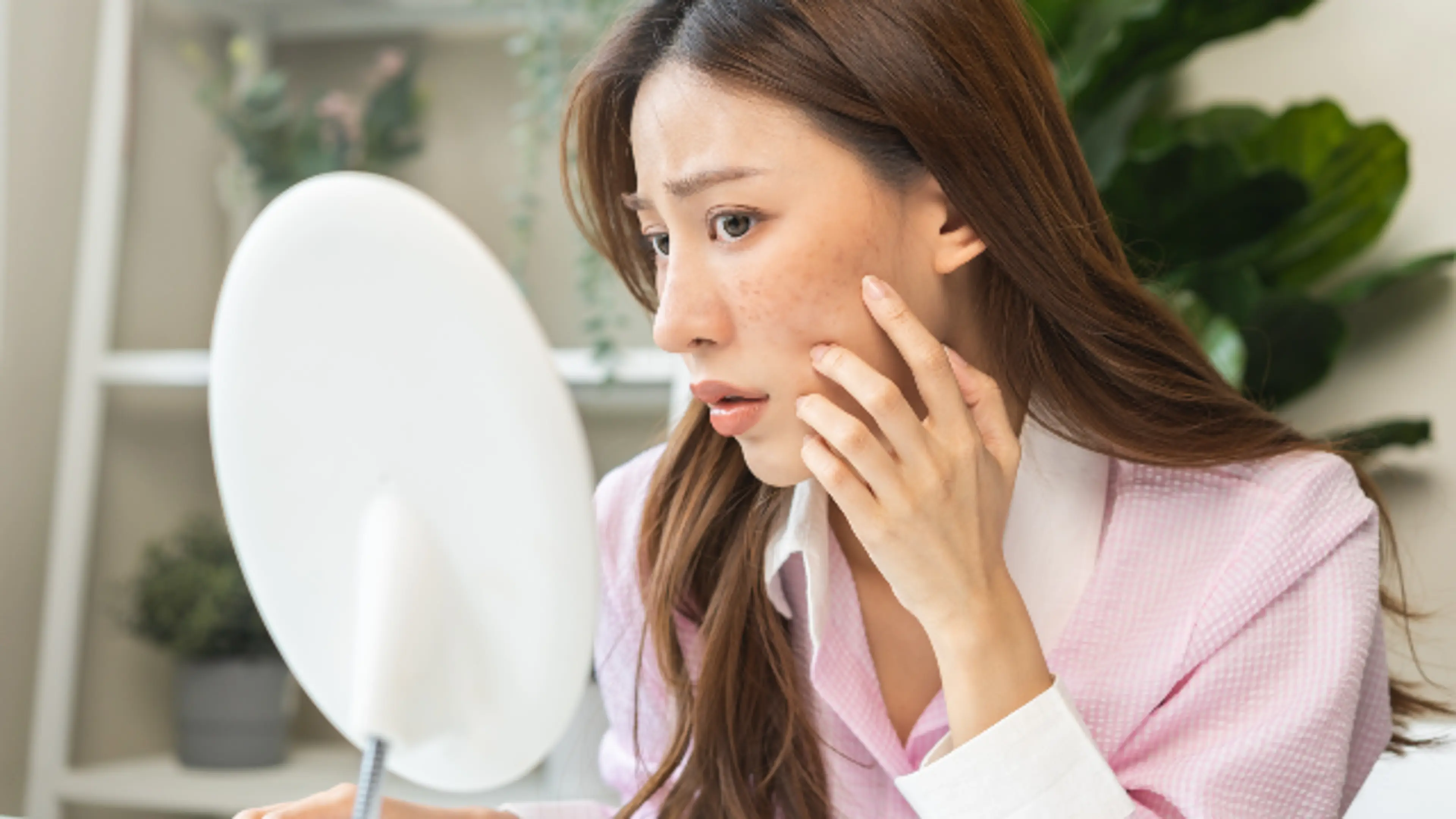
Pigmentation can affect a person’s self-esteem, often leading to a daily ritual of heavy makeup and a search for the "perfect" serum that never seems to work. The emotional burden of hiding one’s skin can be exhausting. However, with the rise of medical-grade laser technology, achieving a clear complexion is no longer a dream reserved for celebrities.
In recent years, we have seen the rise of the "Weekend Glow-Up" phenomenon. Patients are now traveling across borders to major medical hubs like Seoul, Tokyo, and New York to fix stubborn spots.
Defining the Targets: What Are We Treating?
ii.-defining-the-targets:-what-are-we-treatingBefore starting any treatment, it is vital to identify exactly what kind of pigmentation you have. Not all dark spots are created equal, and treating a sunspot the same way you treat melasma can actually lead to complications.
Melasma: Often called the "hormonal mask," this appears as deep, symmetrical patches on the cheeks, forehead, or upper lip. It is notoriously difficult to treat because it reacts to heat and hormones.
Sunspots (Lentigines): These are the cumulative result of UV exposure. They are usually well-defined brown spots that appear on the face, hands, and shoulders.
Post-Inflammatory Hyperpigmentation (PIH): These are the stubborn shadows left behind by acne, injuries, or even previous aggressive laser treatments.
Freckles & Age Spots: While freckles are often genetic, age spots (liver spots) are environmental. Both are caused by clusters of melanin near the skin’s surface.
The "Before" Phase: Assessment & Candidacy
iii.-the-"before"-phase:-assessment-and-candidacyThe secret to a successful result begins before the laser even touches your skin. A professional medical assessment is the only way to ensure safety.
The Fitzpatrick Scale Factor
the-fitzpatrick-scale-factorDermatologists use the Fitzpatrick Scale to categorize skin types from I (very fair) to VI (deeply pigmented). This is crucial because darker skin tones (Types IV-VI) have more active melanocytes. Using the wrong laser settings on dark skin can cause burns or even more pigmentation.
AI Skin Analysis
ai-skin-analysisModern
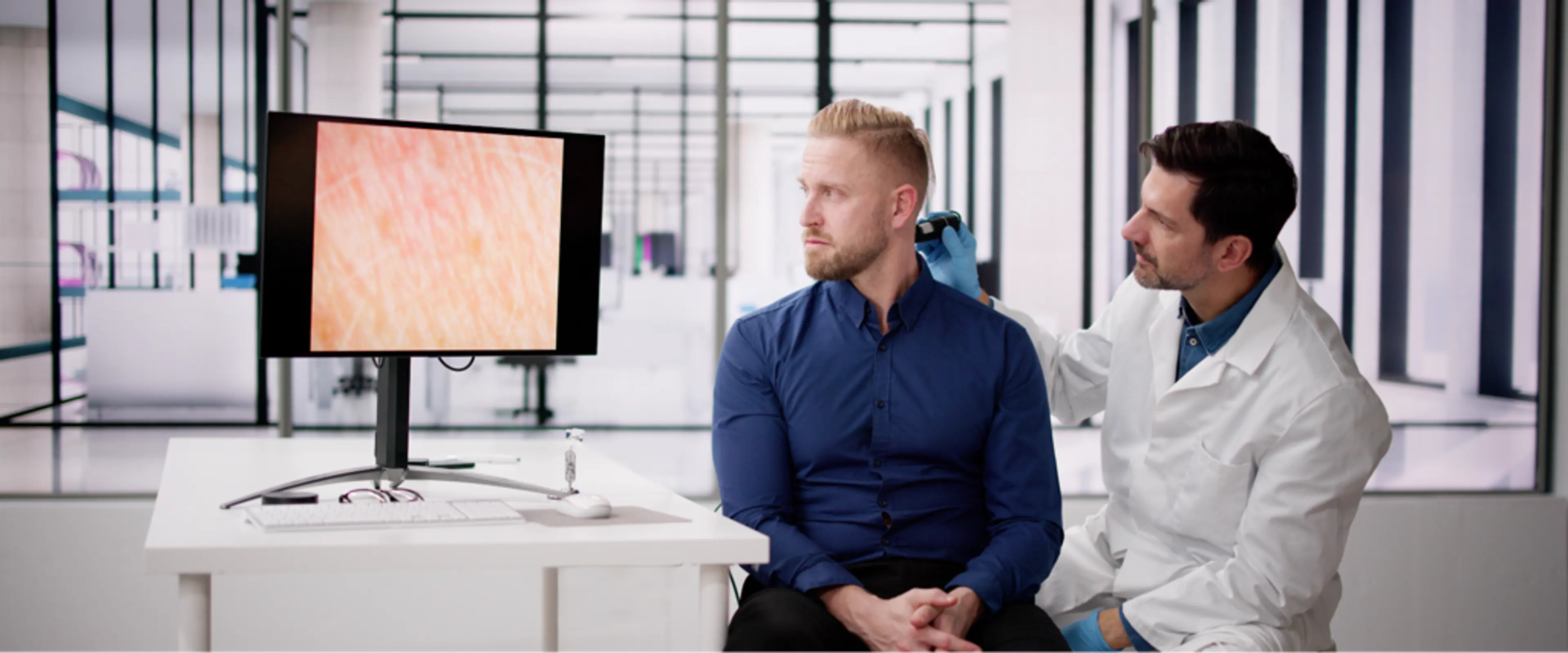
Korean clinics now use AI-driven machines like Janus or Mark-Vu. These devices use specialized light spectrums to see "hidden" pigment deep in the dermis that hasn't even reached the surface yet. By mapping this, doctors can prevent future spots from ever appearing.
Candidate Checklist
candidate-checklistCategory | Characteristics |
|---|
Ideal Candidate | Non-smokers, committed to daily SPF 50+, realistic expectations. |
Risk Profile | Active skin infections, history of keloid scarring, or unstable vitiligo. |
Pre-Treatment Requirement | No active tanning or sun exposure for at least 4 weeks prior. |
Safety First: Risks & Potential Side Effects
iv.-safety-first:-risks-and-potential-side-effectsWhen done correctly by a professional, pigmentation removal is very safe. However, because we are using high-energy light, there are always potential side effects to be aware of.
Common Reactions (Expected)
common-reactions-(expected)These are normal signs that the treatment is working:
Temporary Darkening: Known as the "peppered" look, your spots may actually look darker for 3–7 days before they flake away.
Mild Redness: A sensation similar to a mild sunburn that usually disappears within 24 hours.
Serious Risks
serious-risksThese occur when treatment is performed by unqualified individuals or with outdated equipment:
Hypopigmentation: This happens when the laser destroys too much melanin, leaving permanent white spots.
Rebound Hyperpigmentation: This is common with heat-based lasers. If the skin gets too hot, the body reacts by producing more pigment as a defense mechanism.
Thermal Burns: Risks associated with using non-medical grade equipment or incorrect wavelengths.
The "Seoul Standard" Procedure: Pico vs. Peels
v.-the-"seoul-standard"-procedure:-pico-vs.-peels
The current gold standard for treating pigmentation is the "Seoul Standard." South Korea has pioneered the use of ultra-fast lasers that prioritize skin safety.
The Pico Revolution
the-pico-revolutionTraditional lasers use heat to burn away pigment. 4th-Gen Pico lasers, however, use "photo-acoustic" energy. They deliver pulses so fast (in picoseconds) that they shatter the pigment into tiny dust-like particles without heating the surrounding skin. This significantly reduces the risk of PIH.
Chemical Peels
chemical-peelsFor patients with very sensitive skin or superficial tanning, medical-grade peels like Cosmelan or TCA are still effective. They work by exfoliating the top layers of the skin and inhibiting the enzymes that create melanin.
Combination Therapy
combination-therapyThe best results often come from pairing lasers with "Skin Boosters." Injecting Rejuran Healer or Exosomes immediately after a laser session helps repair the skin barrier and keeps the skin hydrated, ensuring the pigmentation does not return.
Recovery & Aftercare: Protecting Your Investment
vi.-recovery-and-aftercare:-protecting-your-investmentYour "After" photo is 50% the doctor's work and 50% your aftercare.
The First 24–48 Hours: Avoid hot showers, saunas, and intense exercise. Keep the skin cool and hydrated with medical-grade recovery creams.
Days 3–7: This is the "shedding" phase. Your skin might feel like sandpaper. Never pick at the flaking skin, as this can lead to scarring and new dark marks.
The Non-Negotiable Rule: You must wear SPF 50+ every single day, even if it is cloudy or you are staying indoors. UV rays are the primary cause of pigment return.
Results & Expectations: The "After" Reality
vii.-results-and-expectations:-the-"after"-realityReal clear skin takes time. Patience is the most important part of the journey.
Timeline to Clarity
timeline-to-clarityWeek 1: Initial brightening as the "peppered" spots flake off.
Month 1: The body’s immune system begins flushing out the shattered pigment particles.
Month 3: Peak results are usually seen after a series of 3–5 sessions.
Medical success is defined as a 70–90% reduction in visible spots. While some spots may never disappear 100%, the overall skin tone will appear significantly more uniform and radianT.
Cost Comparison: Why South Korea Wins
cost-comparison:-why-south-korea-wins
When it comes to high-tech pigmentation removal, South Korea is globally recognized as the cheapest and best destination for treatment. Because South Korea manufactures many of the world's top lasers (like Lutronic), clinics there don't have to pay high import fees. This, combined with a high-volume market, allows patients to receive premium care for a fraction of Western prices.
Global Price Comparison (Per Session)
global-price-comparison-(per-session)Procedure Type | Seoul, South Korea | Tokyo, Japan | USA / Europe |
|---|
Pico Laser Toning | $100 – $250 | $300 – $500 | $600 – $1,200 |
IPL (Photo-facial) | $80 – $150 | $200 – $350 | $400 – $700 |
Glutathione IV Drip | $40 – $80 | $120 – $200 | $200 – $400 |
Initial AI Analysis | Included / $30 | $100+ | $150+ |
Frequently Asked Questions
ix.-patient-faq:-clear-answers-for-clear-skin1.Does The Treatment Hurt?
1.does-the-treatment-hurtMost patients describe the sensation as a light rubber band snapping against the skin. Most clinics apply a potent numbing cream 20 minutes before the procedure, making it very tolerable.
2.Can I Fly Right After My Session?
2.can-i-fly-right-after-my-sessionYes. Modern non-ablative lasers do not break the skin surface. You can safely fly back to your home country the same day or the following day without any risk.
3.How Many Sessions Do I Actually Need?
3.how-many-sessions-do-i-actually-needWhile some see a difference in one session, most patients require 3 to 5 sessions to see a major transformation in deep-seated pigmentation.
4.Is It Permanent?
4.is-it-permanentThe spots that are removed are gone forever. However, your skin is a living organ. If you do not use sun protection, your body will eventually create new spots.
5.Why Is Korea So Much Cheaper?
5.why-is-korea-so-much-cheaperIt is a "perfect storm" of economics: domestic laser production (no import costs), extreme competition in the Gangnam district, and strong government support for medical tourism.
Conclusion
x.-conclusion:-choosing-your-specialistThe journey to clear skin is an investment in yourself. When choosing a clinic for pigmentation treatment, do not just look at the price tag look at the technology and the expertise.
Don't settle for "cheaper" local options using 10-year-old technology that increases your risk of burns. By accessing the "Seoul Standard," you can get the world’s most advanced treatment at the best possible price. Ready to see your own "After" photo?
Book a virtual consultation with a specialist today.