Home / Articles
Removing Unwanted Hair: Latest Laser Hair Removal Trends
Home / Articles
Removing Unwanted Hair: Latest Laser Hair Removal Trends
Unwanted hair is a concern many patients quietly struggle with—long before they ever step into a dermatology clinic. Shaving leads to irritation, waxing feels endless, and at-home devices promise convenience but rarely deliver lasting results.
At Delight Dermatology Clinic, patients often share the same frustration:
“I’ve tried everything… but the hair always comes back.”
They’re not failing—the method is.
Most traditional hair removal methods focus on what’s visible on the surface of the skin, not what’s happening underneath.
Over time, dermatologists frequently see:
Post-inflammatory hyperpigmentation
Thickened or rough skin texture
Recurrent folliculitis
Increased sensitivity and redness
For patients with darker hair and lighter skin contrast—common among Asian populations—these side effects can become more noticeable with age.
In simple terms:
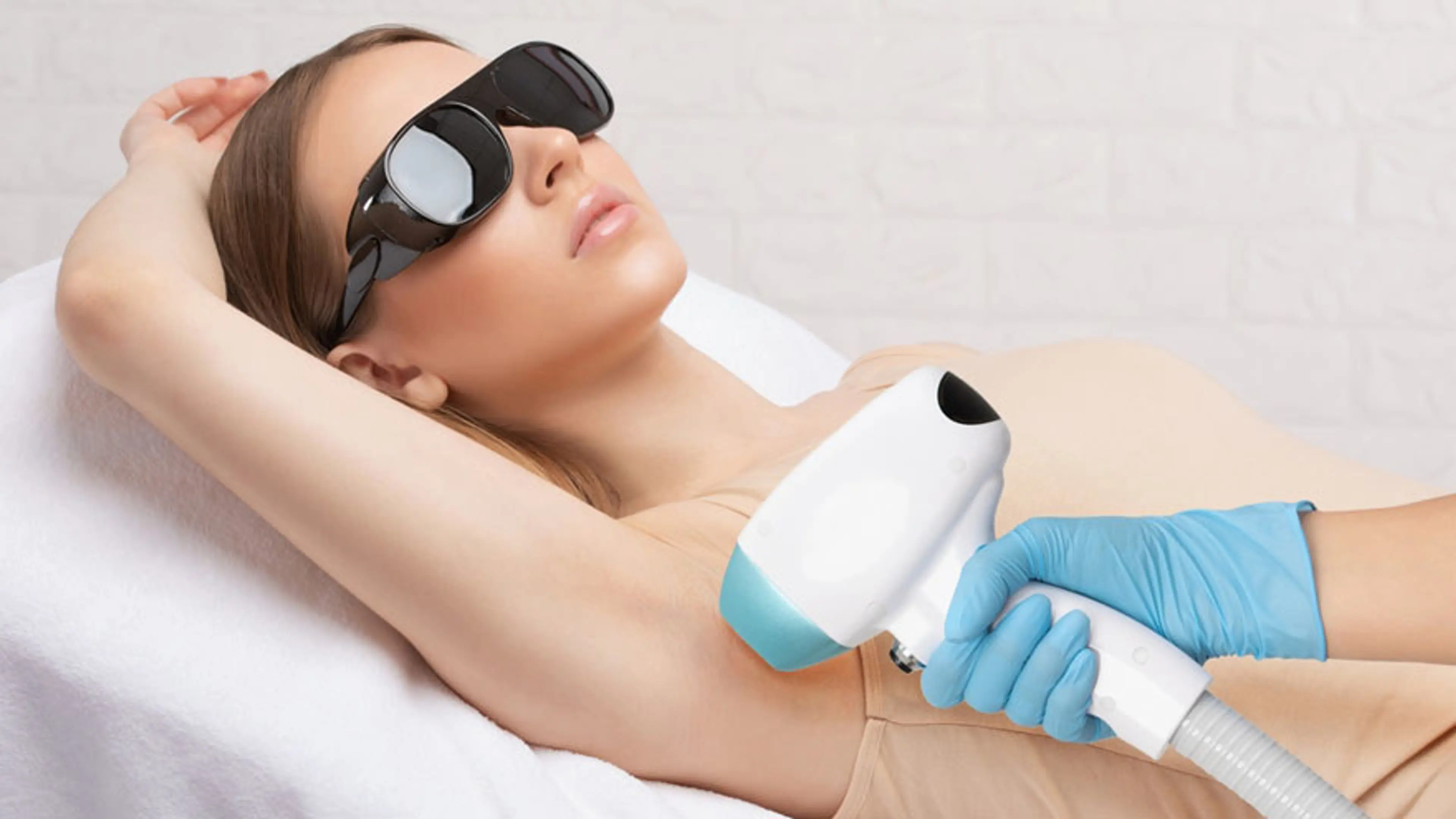
The laser emits light that is absorbed by pigment in the hair → the heat travels down to the follicle → the follicle’s ability to produce hair weakens.
Key clinical facts patients often misunderstand:
At any given time, only 20–30% of hairs are in this phase
This is why multiple sessions are essential
Different wavelengths target different hair characteristics:
Shorter wavelengths are effective for fine, superficial hair
Medium wavelengths treat thicker body hair
Longer wavelengths reach deeper follicles and are safer for darker skin tones
This flexibility allows dermatologists to adjust treatment based on:
Body area
Hair thickness and density
Skin tone and sensitivity
Previous response to treatment
Customization is one of the most important advances in modern laser hair removal—and a key reason outcomes differ so dramatically between medical clinics and non-medical salons.
Asian skin contains more active melanocytes, meaning it responds more easily to heat and inflammation. Poorly calibrated laser treatments can trigger:
Dark spots
Uneven tone
Prolonged redness
Modern laser platforms address this risk by:
Using longer wavelengths that bypass surface melanin
Delivering energy in controlled, gradual pulses
Integrating advanced cooling systems to protect the epidermis
Current best practices emphasize:
Conservative energy levels with adequate session numbers
Gradual escalation only if skin tolerance is confirmed
Careful post-treatment skin-barrier support
This approach prioritizes skin health over speed.
In leading Gangnam clinics, laser hair removal is no longer treated as a stand-alone cosmetic procedure.
Instead, dermatologists evaluate the skin holistically:
Is the area acne-prone?
Are there ingrown hairs or follicular inflammation?
Is pigmentation already present?
Is the skin barrier compromised?
As hair density decreases, many patients notice improvements beyond hair reduction:
Fewer breakouts in shaved areas
Reduced redness and irritation
Brighter, more even tone
Smoother texture and smaller-looking pores
Facial laser hair removal is increasingly requested, particularly among patients seeking smoother makeup application or clearer skin.
Common treatment areas include:
Upper lip
Chin and jawline
Sideburns
Hairline shaping
However, the face requires special expertise.
Key considerations:
Facial hair can be hormonally influenced
Facial skin is thinner and more reactive
This is why facial laser hair removal should never follow the same protocol as body treatments.
In dermatologist-led clinics, facial hair removal is often paired with:
Acne management
Pigmentation treatment
Barrier repair programs
Laser hair removal is often advertised as painless—but that’s misleading.
In reality:
Laser treatments involve heat
Some sensation is expected
That said, modern technology has made treatments significantly more tolerable through:
Contact cooling and cryogen systems
Shorter pulse durations
Gradual energy build-up
Most patients describe the sensation as:
“A brief snapping warmth—noticeable but manageable.”
If a treatment feels completely sensation-free, it may not be delivering enough energy to be effective. Comfort should never compromise results.
At-home laser devices are widely marketed as convenient alternatives—but they have clear limitations.
They:
Operate at much lower energy levels
Depend heavily on user consistency and technique
Cannot adjust for skin tone changes or hormonal shifts
In clinical practice, dermatologists frequently see patients who experience:
Uneven or patchy results
Worsened pigmentation
Delayed effective treatment
The number of sessions required varies from patient to patient.
Key factors include:
Treatment area
Hair thickness and density
Hormonal influence
Individual skin response
General guidelines:
Spacing sessions correctly is just as important as the total number. Treatments that are too frequent or poorly timed can reduce effectiveness.
Dermatologist oversight ensures:
Accurate diagnosis of skin and hair type
Safe and effective parameter selection
Early detection and management of side effects
Integration with acne, pigmentation, or anti-aging care
This is particularly important for patients with:
Sensitive or reactive skin
Pigmentation concerns
Chronic folliculitis
Hormonal hair growth patterns
Laser hair removal is not about removing every single hair forever.
It’s about:
Reducing unwanted growth
Minimizing irritation and pigmentation
Lowering daily grooming stress
Supporting long-term skin health
If unwanted hair has been affecting your skin confidence or comfort, consider a dermatologist-led consultation that focuses not only on hair removal—but on the future health of your skin.