Introduction
introduction:-the-challenge-of-aging-gracefully-in-a-fast-paced-worldExpert Dermatology Guidance from Delight Dermatology Clinic, Seoul
Whether it’s a youthful whim, an ex-partner’s name, or a career change that prompts you to reconsider your ink, tattoos can carry emotional weight long after they were first applied. If you’ve ever looked in the mirror and thought, “I love parts of this, but I wish I could fade that tattoo,” you’re not alone. Tattoo regret is real — and so is the desire for safe, medically sound removal.
At Delight Dermatology Clinic in Gangnam, Seoul, we see a steady stream of patients grappling with persistent ink that doesn’t match who they are today. What many people don’t realize is that tattoo removal isn’t just about “blasting ink.” It’s about balancing efficacy, safety, and skin health — especially when considering potential scarring or pigment changes.
In this guide, we’ll walk you through safe and effective tattoo removal options, explain how they work, and help you understand what to expect along the way.
Why Tattoo Removal Isn’t One-Size-Fits-All
why-tattoo-removal-isn't-one-size-fits-allBefore we dive into treatment methods, it’s important to acknowledge one truth:
No two tattoos — or two patients — are the same.
Tattoos differ in:
Ink colors (black responds differently than green, yellow, or blue)
Ink depth
Tattoo age
Skin tone and type
Location on the body
Scar tissue from the original tattoo application
All of these variables influence which removal method is safest and most effective for you.
At Delight Dermatology, our approach always begins with a personalized consultation. We assess your tattoo’s characteristics, your skin, and your goals before suggesting a plan — because what works for one person may be suboptimal for another.
How Tattoo Removal Works: The Basics
how-tattoo-removal-works:-the-basicsAt its core, tattoo removal involves breaking down ink particles in the skin so your body can clear them away naturally. The challenge? Tattoo ink sits in the dermis, the deeper layer of skin. Removing it requires controlled energy delivery — enough to fragment the ink, but not so much that your skin suffers irreversible damage.
The most advanced and widely accepted method for safe, effective tattoo removal is laser therapy — specifically Q-switched and picosecond lasers.
Picosecond Laser Removal: The Gold Standard
picosecond-laser-removal:-the-gold-standard
What It Is
what-it-isPicosecond lasers deliver ultra-short pulses (trillionths of a second) of energy into the skin. These pulses target tattoo pigments with tremendous precision, fragmenting ink particles into tiny pieces that your immune system can eliminate.
Why It’s More Effective
why-it's-more-effectiveCompared to older methods like Q-switched lasers:
Faster ink fragmentation
Better clearance with fewer sessions
Reduced heat damage to surrounding skin
Fewer side effects like scarring or pigment change
In practice, many patients see significant fading after just a few treatments — especially with black and darker inks.
What to Expect
what-to-expectMultiple sessions spaced 6–8 weeks apart
Mild discomfort (like snapping rubber band)
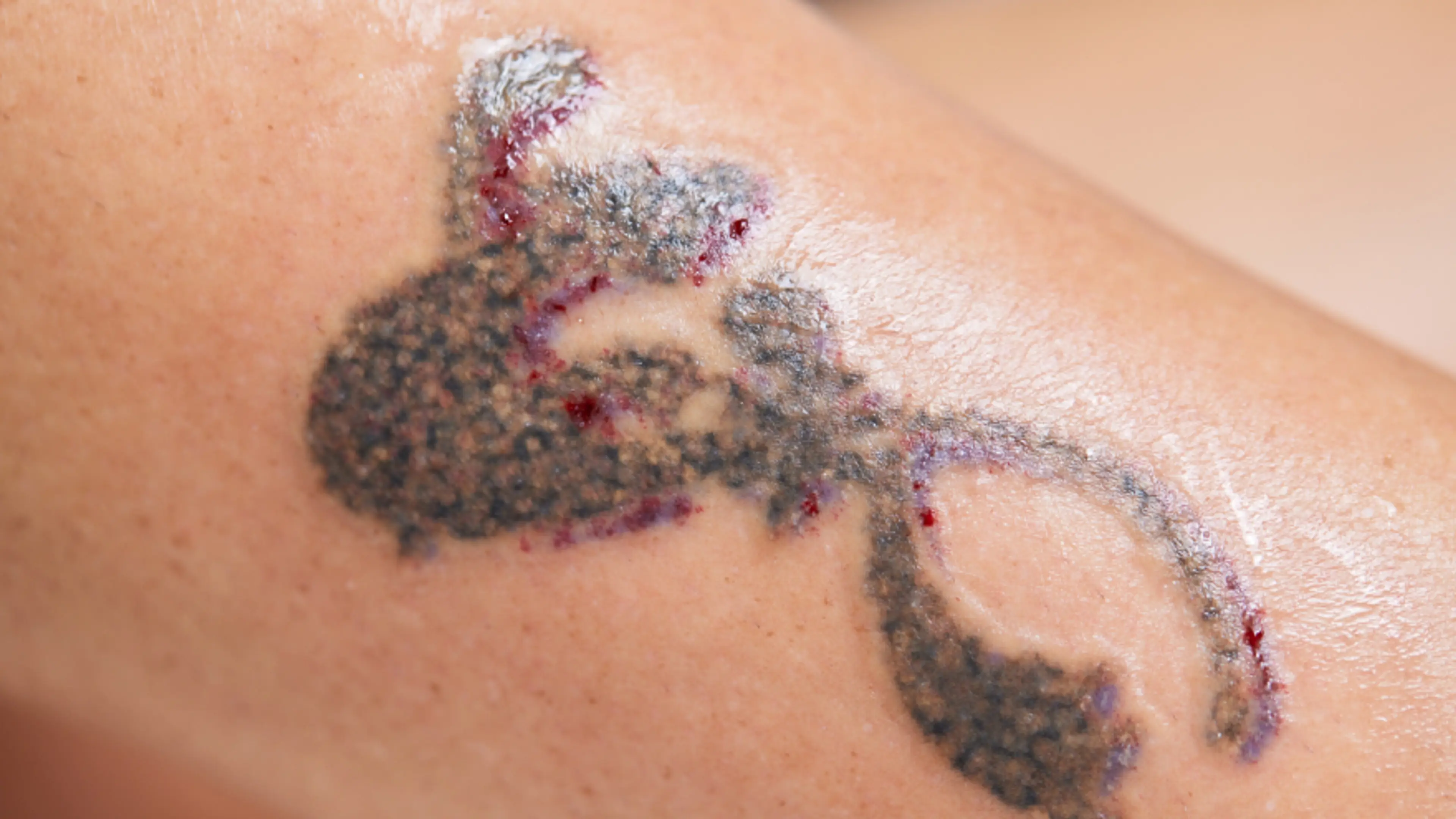
Temporary swelling, redness, or mild blistering
The exact number of sessions depends on tattoo size, colors, and your skin’s response.
Why dermatologists prefer picosecond lasers:
They are the most powerful and versatile technology available today, capable of treating stubborn multicolor tattoos that once seemed “permanent.”
Q-Switched Lasers: Still Effective for Many Tattoos
q-switched-lasers:-still-effective-for-many-tattoosBefore picosecond lasers became mainstream, Q-switched lasers were the standard. They deliver energy in nanosecond pulses that also break up tattoo ink.
When Q-Switched Makes Sense
when-q-switched-makes-senseFor black and dark-colored tattoos
When picosecond options are unavailable
For clients who respond well historically to this technology
Limitations
limitationsMay require more sessions
Slightly higher risk of heat-related side effects
Less effective on lighter colors (e.g., yellow, green)
Despite these limitations, Q-switched lasers still play a role — especially when tailored to specific ink colors.
Why “DIY” Tattoo Removal Isn’t Worth the Risk
why-"diy"-tattoo-removal-isn't-worth-the-riskYou might have seen creams, exfoliants, or at-home laser devices online promising to “remove” tattoos. Let’s be honest:
These methods don’t reach the dermis where ink resides.
At best, they fade the surface; at worst, they damage your skin.
Common problems with DIY approaches:
Tattoo ink lies deep in your skin — and amateur tools simply can’t deliver the controlled energy required for safe fragmentation.
What About Surgical Tattoo Removal?
what-about-surgical-tattoo-removal
For small tattoos, some dermatologists offer surgical excision — literally cutting out the tattooed skin and closing the area with sutures.
When It’s Considered
when-it's-consideredLimitations
limitationsVisible scarring is inevitable
Not suitable for large designs
Requires skilled closure to minimize tension and scar width
At Delight Dermatology, we rarely recommend excision unless it truly serves your best cosmetic outcome.
What to Expect During Treatment
what-to-expect-during-treatmentBefore Your First Session
before-your-first-sessionDuring Laser Sessions
during-laser-sessionsAftercare
aftercareKeep the area clean and dry
Avoid sun exposure — UV rays can darken treated skin
Use soothing ointments as recommended
Expect mild redness, swelling, or blistering for a few days
Most patients return to normal activities the next day.
Color Matters: Which Inks Fade Best?
color-matters:-which-inks-fade-bestInk color significantly affects removal outcomes:
Black & dark blue — best response
Red & green — moderate response
Yellow, orange, white, and teal — hardest to remove
Picosecond lasers improve clearance for difficult colors, but complete removal of light pigments may still take more sessions.
Risks & Side Effects: What You Should Know
risks-and-side-effects:-what-you-should-knowEven with advanced technology, laser tattoo removal isn’t without risk. The most common temporary effects include:
Major complications like scarring are rare when treatment is performed by a board-certified dermatologist using appropriate lasers.
At Delight Dermatology, we minimize risks by:
Tailoring energy settings per tattoo
Monitoring skin response closely at each session
Adjusting treatment plans as needed
How Many Sessions Will You Need?
how-many-sessions-will-you-needThere’s no universal answer, but on average:
Small tattoos: 4–8 sessions
Medium tattoos: 6–12 sessions
Large or colorful tattoos: 8–15+ sessions
Each session is spaced 6–8 weeks apart to allow your body to clear debris and heal.
Be wary of clinics promising “complete removal in 1–3 sessions.” In most cases, that’s unrealistic — and aggressive treatment can increase scarring risk.
Choosing the Right Clinic: Questions to Ask
choosing-the-right-clinic:-questions-to-askBefore booking a tattoo removal plan, consider:
1. What laser technology do you use?
1.-what-laser-technology-do-you-usePicosecond lasers are the most effective for multicolor and stubborn tattoos.
2. Who performs the treatment?
2.-who-performs-the-treatment3. How is your aftercare managed?
3.-how-is-your-aftercare-managedGood aftercare reduces complications and improves outcomes.
4. Can I see before/after photos of real patients?
4.-can-i-see-beforeafter-photos-of-real-patientsTransparent results show realistic expectations.
At Delight Dermatology, we answer these questions openly and tailor plans to your tattoo and skin.
Feeling Nervous About Removal? You’re Not Alone.
feeling-nervous-about-removal-you're-not-alone.Let’s be honest: many patients walk into our clinic feeling unsure or overwhelmed. They’ve tried creams, buried regrets, or wondered, “Is this even possible?”
Here’s what we often tell them:
Tattoo removal is a journey — not a sprint. With modern lasers and professional care, we can fade most tattoos safely and significantly, restoring your skin’s look and feel.
For some, it’s reclaiming confidence. For others, it’s emotional closure. Whatever your reason, it matters — and you deserve a plan that prioritizes your skin’s health.
Tattoo Removal & Pigmentation: A Special Note
tattoo-removal-and-pigmentation:-a-special-noteIf you have a history of pigmentation issues (common among Asian skin types), careful laser selection and settings are essential. Aggressive energy can trigger pigment changes.
This is one reason choosing a dermatologist-led clinic matters: we understand how to balance ink removal with pigmentation management so your skin stays healthy and even-toned.
Your Next Step: Professional Evaluation
your-next-step:-professional-evaluationIf you’re considering tattoo removal, the smartest next step is a personalized consultation. At Delight Dermatology Clinic in Gangnam, our experts evaluate your tattoo, skin type, and cosmetic goals before recommending a safe, effective plan.
Here’s what your visit includes:
In-depth skin analysis
Tailored treatment strategy
Clear timeline and expectations
Personalized aftercare guidance
Many patients leave feeling relieved, informed, and hopeful — which is exactly how you should feel before starting any medical aesthetic treatment.
Final Thoughts
final-thoughtsTattoo removal doesn’t have to be intimidating — but it does require knowledge, precision, and experience.
Today’s gold-standard laser technologies — especially picosecond lasers — give us the tools to fade even challenging tattoos safely and effectively. When paired with expert dermatologic care, most tattoos can be significantly lightened or erased with minimal risk.
If you’re ready to take the next step, come talk to us at
Delight Dermatology Clinic. We’ll help you understand what’s possible, what to expect, and how to achieve your best skin outcome.