Home / Articles
Treating Skin Infections with Precision and Care
Home / Articles
Treating Skin Infections with Precision and Care
A dermatologist’s guide from Delight Dermatology Clinic, Gangnam, Seoul
Most patients don’t plan for a skin infection. It appears suddenly — a painful red bump that wasn’t there yesterday, an itchy patch that keeps spreading, or a small wound that begins to ooze despite careful cleansing. At Delight Dermatology Clinic in Seocho-gu, we see this scenario more often than many people expect. And to be honest, the biggest misunderstanding we encounter is this:
In Gangnam, where skincare standards are naturally high and many patients invest deeply in maintaining clear, youthful skin, an untreated or improperly treated infection can lead to long-term consequences:
lingering pigmentation marks
textural scarring
chronic recurrence
worsening inflammation
delayed healing in sensitive skin types
This article explains how skin infections work, why proper diagnosis matters, and how we approach treatment with both medical accuracy and aesthetic awareness.
Skin infections occur when harmful microorganisms — bacteria, viruses, or fungi — invade the skin barrier. Think of the skin barrier as the walls of a fortress; when it’s weakened by dryness, irritation, or microscopic injury, opportunistic microbes can enter easily.
Impetigo
Cellulitis
Folliculitis
Infected acne cysts
These often present as painful red bumps, pus-filled lesions, or rapidly spreading redness.
Herpes simplex (cold sores)
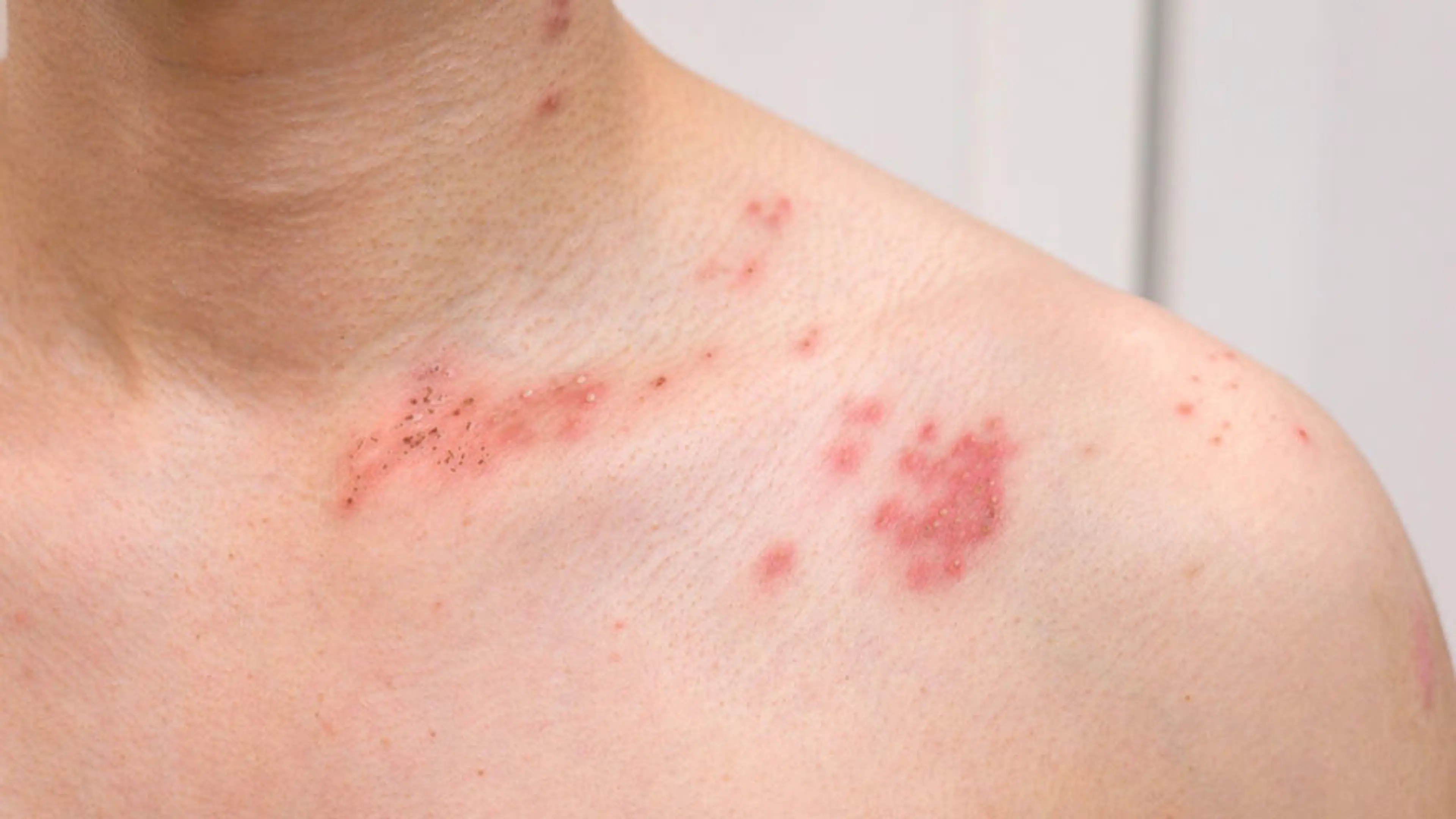
Herpes zoster (shingles)
Warts
Molluscum contagiosum
Many Korean patients don’t realize that stress, lack of sleep, or cosmetic procedures performed on irritated skin can trigger viral outbreaks.
Tinea (ringworm)
Athlete’s foot
Yeast overgrowth on the face (common in mask-wearers and those using heavy skincare)
Fungal infections are often misdiagnosed as eczema — a mistake that delays proper treatment.
To be honest, that’s rarely surprising. Most skin infections worsen when treated with the wrong over-the-counter cream. For example:
Using a steroid cream on a fungal infection can make it spread aggressively.
Applying acne treatments to a herpes lesion can cause deeper cracking and pain.
Antibiotic ointments overused without guidance contribute to resistance and delayed healing.
A dermatologist’s diagnosis is not simply “guessing better” — it’s a trained evaluation of patterns: lesion shape, color, distribution, borders, scaling, and even subtle clues in the patient’s skincare routine or recent procedures.
At Delight Dermatology Clinic, our approach blends medical precision with a deep understanding of Korean skin trends. For example:
We consider whether recent laser treatments may have temporarily weakened the barrier.
We evaluate pigment risk in patients prone to post-inflammatory hyperpigmentation.
We customize antibiotics to minimize side effects that Korean patients are often sensitive to.
This level of nuance prevents complications and preserves the skin’s long-term clarity.
Skin infections can be straightforward — but often, they’re not. Especially when inflammation, allergies, and chronic irritation overlap.
A handheld microscopic exam helps differentiate:
fungal vs. eczematous scaling
viral lesions vs. acne
inflamed follicles vs. bacterial pustules
It’s painless, quick, and prevents misdiagnosis.
For stubborn or recurrent infections, we take a gentle swab to identify the exact organism. This is especially useful for:
antibiotic-resistant bacteria
chronic fungal infections
atypical viral presentations
This is where a boutique-style clinic like ours makes a difference. We take time to ask about skincare routines, device treatments, travel history, gym habits, and even stress — factors that often reveal triggers.
We’ve seen infections triggered by:
overuse of home devices
shared makeup brushes
harsh exfoliation before travel
friction from K-beauty masks or acne patches
sweat-heavy Pilates or spinning sessions
Skin tells a story. Diagnosis is about listening carefully.
Each infection has its own best treatment.
We avoid unnecessary antibiotic prescriptions to protect long-term skin balance.
We often find that fungal infections persist because patients unknowingly use steroid creams that suppress symptoms but worsen the root cause.
We use:
minimal-irritation moisturizers
ceramide-rich formulas
post-treatment calming programs
LED therapy for inflammation (when appropriate)
This reduces the risk of post-inflammatory pigmentation — especially important for patients preparing for social events, travel, or upcoming laser procedures.
At Delight Dermatology, we address this early by:
controlling inflammation rapidly
choosing non-pigment-triggering medications
adding vitamin C or azelaic acid when appropriate
recommending tailored sun protection behaviors
scheduling follow-up care for pigment-prone patients
If pigmentation appears, we use gentle devices (not harsh lasers) first, ensuring the skin heals naturally without being overloaded.
Some infections require physical intervention — performed only when medically appropriate.
drainage of deep cysts
removal of molluscum or warts
gentle debridement of infected keratin
antiviral injections for recurrent outbreaks
Here are truths we often explain during consultations:
Small infections can worsen rapidly, especially around the nose, chin, or eyes.
This is one of the fastest paths to worsening or spreading the infection.
Laser treatments on infected skin can worsen inflammation and extend downtime.
Stopping early is a major cause of recurrence — the infection wasn’t gone, only quieter.
Here’s what we advise our own patients at Delight Dermatology:
Keep skincare gentle and minimal for 1–2 weeks.
Avoid exfoliants and retinoids until the skin barrier is fully recovered.
Use fragrance-free moisturizers to prevent irritation.
Apply sunscreen carefully, especially on healing lesions.
Avoid sharing towels, makeup, or skincare tools.
Contact your dermatologist if symptoms worsen within 48 hours.
This phase is just as important as treatment — because it determines whether your skin heals smoothly or leaves a mark.
Seek care quickly if you notice:
rapidly spreading redness
sudden swelling around the eyes
painful lumps under the skin
fever accompanying a skin lesion
a cold sore before a major event (early antivirals work best!)
repeated infections in the same spot
Early intervention saves you time, discomfort, and long-term pigmentation.
Skin infection care, in our philosophy, isn’t just about eliminating bacteria or viruses. It’s about ensuring that your skin — your confidence — emerges unharmed.
Patients choose Delight Dermatology because we offer:
Mayo Clinic–trained diagnostic expertise
Deep knowledge of Korean skin sensitivities
A boutique, private atmosphere for detailed evaluations
Gentle yet effective treatments tailored for appearance-conscious patients
Long-term skin management, not one-off fixes
You’re not alone — and it’s absolutely treatable.
A short visit today could prevent months of stress, pigmentation, or scarring later.
When you’re ready, we’re here to help bring your skin back to its healthiest, most confident state — with precision and care.