Introduction
introduction:-why-your-first-consultation-mattersOn any given week at Delight Dermatology Clinic, someone walks into our consultation room holding the same quiet frustration:
“My skin feels tight no matter what I use… and makeup just won’t sit anymore. Is it dryness? Dehydration? Or something else?”
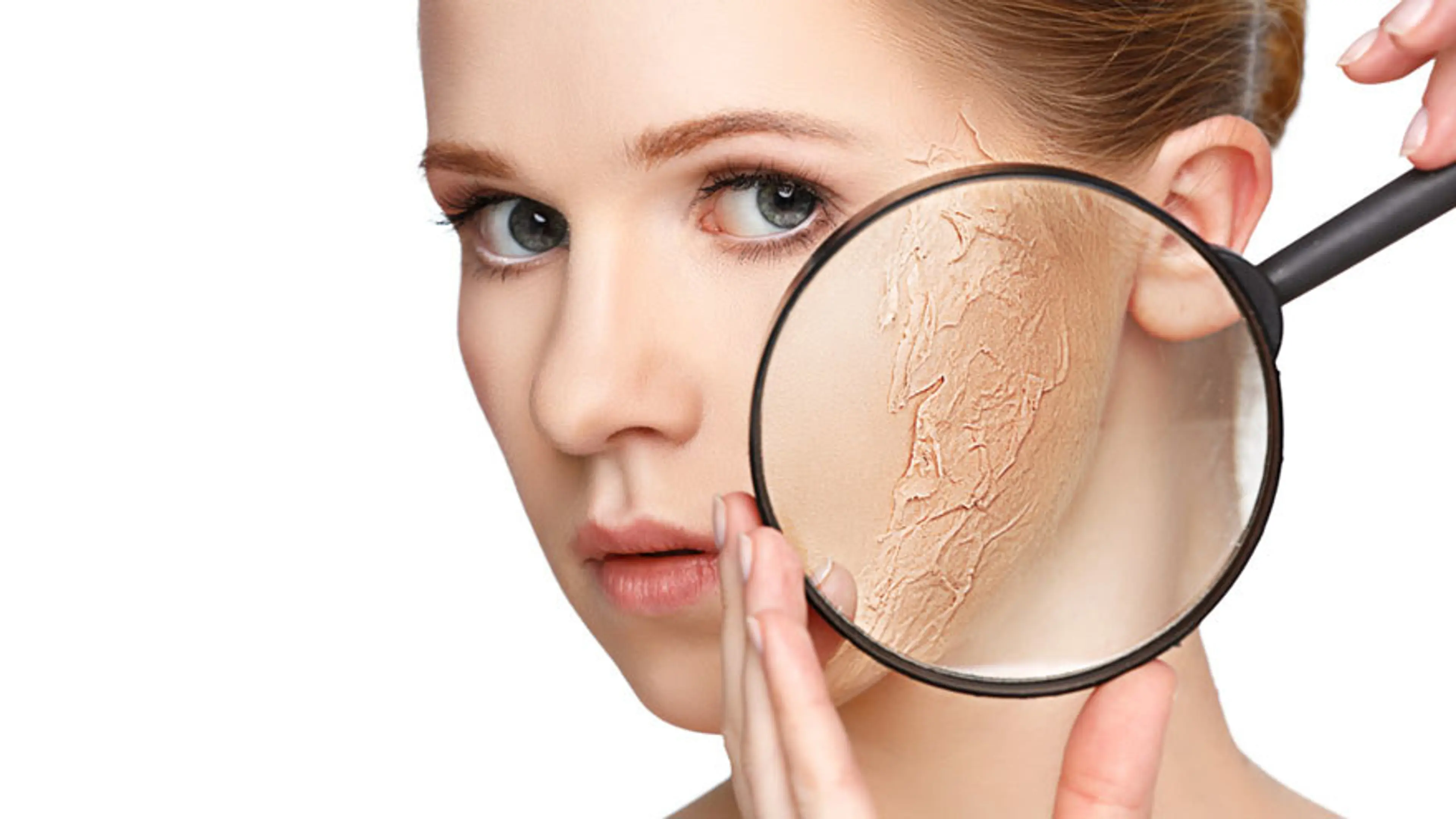
To be honest, most people in Gangnam — including long-time skincare enthusiasts — confuse dry skin with dehydrated skin. They reach for thicker creams, stronger occlusives, or even attempt at-home devices hoping to “seal in moisture.” And yet the skin keeps feeling irritated, flaky, or strangely oily and dehydrated at the same time.
So let’s slow down and rebuild the concept from the ground up. Because treating dryness and dehydration successfully requires understanding the biology, the causes, and the right medical-grade strategies that bring your skin back into equilibrium.
As dermatologists trained in both medical skin science and aesthetic rejuvenation, we’ve seen how transformative it is when patients finally treat the source, not just the symptoms.
What Is Dry Skin vs. Dehydrated Skin? (And Why the Difference Matters)
what-is-dry-skin-vs.-dehydrated-skin-(and-why-the-difference-matters)Many patients use the words interchangeably, but dermatologically, they are two very different issues:
Dry Skin = Lack of Oil (Lipids)
dry-skin-lack-of-oil-(lipids)Your skin barrier isn’t producing enough natural oils (sebum + barrier lipids).
This is often genetically determined — similar to having naturally straight or wavy hair.
Typical signs:
Flaking and roughness
Sensitivity to cold, wind, or harsh cleansers
Fine, powdery appearance around eyebrows, nose, chin
Persistent tightness even after moisturizing
Dehydrated Skin = Lack of Water
dehydrated-skin-lack-of-waterYour skin is losing water faster than it can retain it.
This can occur even if you have oily or combination skin — something patients in their 20s and 30s often don’t realize.
Signs include:
Tightness after cleansing
Makeup separating or caking by afternoon
Fine “micro-wrinkles” that appear suddenly
Oily T-zone with dry cheeks
A helpful analogy:
Dry skin is like a canvas lacking paint oils; dehydrated skin is like the same canvas drying and cracking because it’s been left under a spotlight for too long.
At Delight Dermatology, we rarely see dryness or dehydration alone — most patients experience a mix of both, especially during seasonal transitions in Seoul when humidity drops rapidly.
Why Dryness and Dehydration Happen: The Hidden Triggers Dermatologists See Every Day
why-dryness-and-dehydration-happen:-the-hidden-triggers-dermatologists-see-every-day
1. Weather and Microclimate (Seoul’s Silent Skin Stressor)
1.-weather-and-microclimate-(seoul's-silent-skin-stressor)Korea’s climate swings — humid summers, dry winters, constant indoor heating — disrupt the skin barrier tremendously. Rapid humidity changes pull water out of the stratum corneum, creating dehydration even in oily skin types.
2. Overuse of Actives
2.-overuse-of-activesA very Gangnam-specific pattern we see:
Patients layer Vitamin C, retinoids, exfoliating toners, at-home lasers, and peptide creams… all in one routine.
What many overlook is that barrier repair can’t keep up with this cocktail.
Micro-inflammation leads to transepidermal water loss (TEWL), and suddenly even expensive creams “don’t absorb.”
3. Age-Related Lipid Decline
3.-age-related-lipid-declineStarting around the early 30s, sebaceous activity naturally decreases — one reason many Korean women begin noticing a sudden “dullness” and fine creases around the eyes.
4. Cleansing Mistakes
4.-cleansing-mistakesToo-hot water, double cleansing when unnecessary, or harsh surfactants quickly strip the lipid barrier.
5. Medical Conditions
5.-medical-conditionsAtopic dermatitis, rosacea, thyroid conditions, or eczema often present first as “persistent dryness.”
When we diagnose properly, patients finally understand why no over-the-counter solutions worked — because the underlying biology was never addressed.
Professional Treatments for Dry and Dehydrated Skin
professional-treatments-for-dry-and-dehydrated-skin(The evidence-based approach we use at Delight Dermatology Clinic)
This is where medical dermatology steps in — not with trend-driven solutions, but with technologies that restore balance at the cellular level.
Below are the treatments we rely on most to rebuild hydration, strengthen the barrier, and restore a luminous, healthy glow.
1. Hydra Infusions & Moisture-Barrier Boosters (Dermal Hydration Therapy)
1.-hydra-infusions-and-moisture-barrier-boosters-(dermal-hydration-therapy)Best For:
best-for:Dehydration, dullness, tightness, fine dehydration lines, post-travel fatigue.
How It Works
how-it-worksRather than simply applying moisture on top of the skin, dermal hydration therapy uses micro-infusion systems to deliver humectants and barrier-supporting ingredients directly where the skin needs them.
We often use a blend of:
Think of it as replenishing the skin’s water reservoir from within, similar to refilling an internal well instead of pouring water over cracked soil.
What Patients Love
what-patients-loveResults are visible immediately — smoother texture, tighter pores, and foundation that actually sits beautifully again.
2. Skinboosters (Hyaluronic Acid Microdroplet Injections)
2.-skinboosters-(hyaluronic-acid-microdroplet-injections)Best For:
best-for:Moderate dehydration, crepey texture, fine lines, early aging, acne-prone but dehydrated skin.
Korean patients often call this the “water-glow injection” for a reason:
It restores deep hydration in a way no topical product can match.
Why It Works
why-it-worksHyaluronic acid holds up to 1,000x its weight in water. Injecting soft, thin HA into the dermis creates:
At Delight Dermatology, we tailor the filler density based on age, skin condition, and lifestyle — because a 28-year-old with combination skin does not need the same formula as someone in their 40s with chronic dryness.
What Many Patients Don’t Realize
what-many-patients-don't-realizeSkinboosters are not just for glow; they significantly improve the skin barrier, making it more resilient to irritation and climate changes.
3. Potenza RF Microneedling for Barrier & Hydration Repair
3.-potenza-rf-microneedling-for-barrier-and-hydration-repair
Best For:
best-for:Chronic dehydration, visible pores, fine lines, early laxity, scarring with dryness.
Potenza is one of the devices we’re known for — and for good reason. It’s not just for tightening; it excels at regulating the skin barrier.
How It Helps Dry/Dehydrated Skin
how-it-helps-drydehydrated-skinRF energy increases dermal collagen and elastin
Microneedling enhances absorption of hydrating serums
The skin thickens from within, reducing TEWL
Barrier lipids reorganize more efficiently
One of the insights we often share with patients:
A healthier dermis retains water better — hydration isn’t only a surface-level issue.
Potenza helps rebuild the “scaffolding” under the skin so that hydration can actually stay where it belongs.
4. Moisture Laser Treatments (Gentle Barrier Rejuvenation Lasers)
4.-moisture-laser-treatments-(gentle-barrier-rejuvenation-lasers)Best For:
best-for:Redness, sensitivity, dryness related to inflammation, rosacea-like dehydration.
Certain non-ablative lasers — such as LDM and gentle cold-laser systems — improve hydration by:
Reducing inflammatory cytokines
Strengthening the lipid barrier
Enhancing microcirculation
Encouraging healthier keratinocyte turnover
These lasers are particularly helpful for patients who “react to everything,” including moisturizers.
5. Prescription Barrier Therapy & Customized Dermatology Programs
5.-prescription-barrier-therapy-and-customized-dermatology-programsThere is no one-size-fits-all product recommendation for dry skin, despite what social media suggests.
At our clinic, we create individualized plans that may include:
Ceramide-focused moisturizers
Barrier-restoring retinoid alternatives
Anti-inflammatory topicals
Mild keratolytics for patches of chronic roughness
Probiotic or microbiome-supportive formulations
Clinic Insight
clinic-insightOne mistake we frequently see:
Patients use occlusives too early, trapping irritation underneath.
Rebuilding the skin barrier is a sequence — and applying petrolatum on an inflamed barrier can worsen sensitivity.
A dermatologist guides you through the correct layering and timing so skin recovers, not rebels.
6. Ulthera or Thermage for Age-Related Dryness (Indirect But Powerful)
6.-ulthera-or-thermage-for-age-related-dryness-(indirect-but-powerful)You might wonder — how do tightening devices help dryness?
Here’s the connection:
As we age, decreased collagen density and skin thickness reduce water retention capacity. Treatments like Ulthera (ultrasound lifting) or Thermage (radiofrequency tightening) stimulate deep collagen remodeling. Over months, the dermis becomes firmer and more structured.
When the skin’s internal matrix improves:
These devices aren’t primary hydration treatments, but patients often notice surprise benefits:
“My skin feels firmer and less dry.”
What About At-Home Measures? (Practical Tips That Actually Work)
what-about-at-home-measures-(practical-tips-that-actually-work)We prefer a science-first, minimalistic approach — just the essentials.
1. Choose a non-stripping cleanser
1.-choose-a-non-stripping-cleanserIf your skin feels tight within 10 seconds of drying, the cleanser is too harsh.
2. Layer hydration strategically
2.-layer-hydration-strategicallyA toner alone won’t fix dehydration. Use:
3. Stop over-exfoliating
3.-stop-over-exfoliatingIf your skin is dry, the last thing it needs is a grainy scrub or daily acid toner.
4. Use a humidifier in winter
4.-use-a-humidifier-in-winterSeoul’s indoor humidity can drop to under 30%.
5. Protect your skin barrier during active treatments
5.-protect-your-skin-barrier-during-active-treatmentsIf you’re on retinoids, exfoliants, or visiting multiple aesthetic clinics, ask your dermatologist to coordinate timing.
Barrier overload is real — and very common.
How We Personalize Treatment at Delight Dermatology Clinic
how-we-personalize-treatment-at-delight-dermatology-clinicEvery patient has a different dryness “blueprint.”
A frequent scenario:
Two patients come in complaining of tightness and flaking.
But one has:
While the other has:
If the treatment is the same, one improves and one worsens.
This is why we start with skin barrier analysis, hydration mapping, and a detailed review of your skincare routine — often the hidden culprit.
Dr. Yun Sang Youl, Mayo Clinic–trained approach emphasizes
long-term skin resilience, while
Dr. Shin Hui Young, cosmetic dermatology expertise ensures results look luminous, natural, and refined — not heavy or overtreated.
What Results Can You Expect?
what-results-can-you-expectImmediately After Treatment
immediately-after-treatmentSkin feels softer and more comfortable
Makeup glides on without caking
Fine dehydration lines fade
A healthier glow resurfaces
Over Weeks to Months
over-weeks-to-monthsStronger barrier function
Reduced sensitivity
More even texture
Decreased reliance on heavy creams
Better tolerance to active ingredients
Dryness and dehydration stop being a constant worry — and your skin starts behaving predictably again.
When Should You See a Dermatologist?
when-should-you-see-a-dermatologistConsider professional help if:
Your skincare routine no longer works
You feel persistent tightness despite moisturizing
You experience seasonal flares every winter
Makeup emphasizes dryness instead of covering it
You're unsure whether dryness or dehydration is the core issue
You’ve tried multiple products with no improvement
Or simply:
If you want your skin to look and feel comfortable again.
The Bottom Line: Dry and Dehydrated Skin Are Treatable — With the Right Approach
the-bottom-line:-dry-and-dehydrated-skin-are-treatable-with-the-right-approachHealthy skin isn’t about piling on more products.
It’s about restoring the skin’s biology so that hydration stays where it belongs.
At Delight Dermatology Clinic in Gangnam, our philosophy is simple:
Rebuild first, refine next.
Whether you're struggling with chronic dryness, sudden dehydration, or a barrier weakened from over-treating, personalized dermatological care can bring your skin back into balance — and keep it there.
If You’re Ready to Restore Your Skin’s Hydration
if-you're-ready-to-restore-your-skin's-hydrationHere are two gentle next steps:
Your skin’s comfort isn’t a luxury. It’s the foundation of long-term skin health.
And we’re here to help you rebuild it, beautifully.